

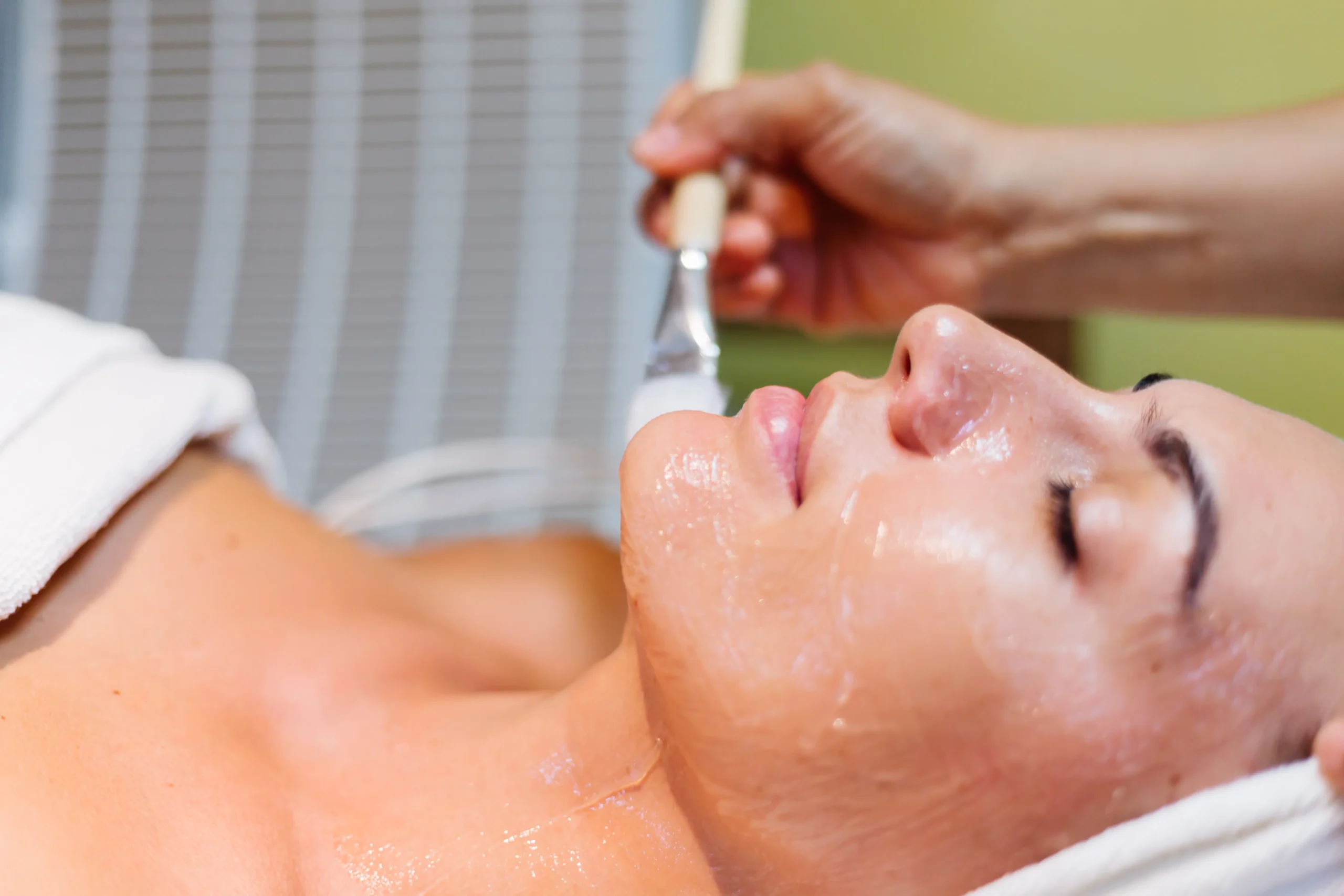
Healthy, glowing skin is something most of us aspire to achieve. However, concerns like acne, pigmentation, uneven tone, and early signs of aging can make skin look dull and tired. One of the most effective dermatologist-recommended treatments for improving overall skin quality is a chemical peel.
A chemical peel is a dermatological procedure that uses a specially formulated chemical solution to exfoliate the outer layers of the skin. By removing damaged skin cells, it encourages new, healthier skin to emerge, resulting in a smoother and brighter complexion.
In this blog, we will help you understand what a chemical peel treatment involves, its types, chemical peel benefits, possible risks, and whether it is right for you.
What Is a Chemical Peel?
A chemical peel is a skin-resurfacing procedure where a controlled chemical solution is applied to the face or other areas. This solution gently removes the top layers of the skin, stimulating regeneration and collagen production.
A chemical face peel can be customized based on your skin type and concerns. Dermatologists may recommend it for acne, pigmentation, acne scars, fine lines, sun damage, and uneven texture.
Many patients choose chemical peel treatment because it is minimally invasive and requires relatively little downtime compared to more aggressive procedures.
Types of Chemical Peel
There are three main types of chemical peel, depending on how deeply they penetrate the skin:
1. Superficial Peel
Also called a light peel, this type works on the outermost layer of the skin (epidermis). It is ideal for mild pigmentation, dullness, and minor acne. A chemical face peel in this category often uses mild acids like glycolic or lactic acid.
2. Medium Peel
A medium chemical peel penetrates deeper into the skin and is commonly used as a chemical peel for pigmentation and moderate acne scars. It helps improve uneven skin tone and texture more effectively than superficial peels.
3. Deep Peel
A deep chemical peel works on deeper skin layers and is usually recommended for severe sun damage, deeper wrinkles, and stubborn acne scars. Because it is more intensive, it requires longer recovery and must be performed strictly under expert supervision.
Your dermatologist will assess your skin condition before recommending the most suitable chemical peel treatment.
Chemical Peel Benefits
There are several chemical peel benefits that make this procedure popular in dermatology clinics:
- Improves skin texture and smoothness
- Reduces pigmentation and dark spots
- Controls acne breakouts
- Minimizes the appearance of scars and fine lines
One of the major chemical peel benefits is that it stimulates collagen production, which enhances skin firmness over time. Patients seeking a chemical peel for pigmentation often notice brighter, more even-toned skin after a few sessions.
Another important aspect of chemical peel benefits is improved absorption of skincare products, as dead skin layers are removed.
Chemical Peel for Acne and Acne Scars
A chemical peel for acne works by exfoliating clogged pores, reducing excess oil, and killing acne-causing bacteria. It also helps calm inflammation and prevent future breakouts.
For individuals dealing with post-acne marks, a chemical peel for acne scars can significantly improve skin texture. While deeper scars may require multiple sessions, consistent chemical peel treatment can visibly reduce their appearance.
Many dermatologists combine a chemical peel for acne with medical skincare for optimal results. Similarly, a chemical peel for acne scars may be part of a comprehensive treatment plan that includes microneedling or laser therapy.
Chemical Peel for Pigmentation
Uneven skin tone and dark patches are common concerns. A chemical peel for pigmentation works by removing melanin-rich damaged skin cells from the surface.
Whether pigmentation is due to sun exposure, acne marks, or hormonal changes, a chemical peel for pigmentation can help restore clarity and brightness. Multiple sessions of chemical peel treatment may be needed for deeper pigmentation issues like melasma.
When done correctly, a chemical peel for pigmentation provides gradual and natural-looking improvement.
Procedure: What to Expect
Understanding the procedure can ease anxiety before your first chemical face peel.
Step 1: Consultation
Your dermatologist evaluates your skin type, concerns, and medical history to decide the appropriate chemical peel treatment.
Step 2: Cleansing
The skin is thoroughly cleansed to remove oil and dirt.
Step 3: Application
The chemical solution is carefully applied to the treatment area. You may feel mild tingling or warmth.
Step 4: Neutralization and Aftercare
Depending on the type of chemical peel, the solution may be neutralized and removed after a few minutes. Post-treatment skincare and sunscreen are essential.
After a chemical face peel, mild redness or peeling is common and usually subsides within a few days.
Chemical Peel Side Effects
Like any dermatological procedure, there can be chemical peel side effects. Most are mild and temporary.
Common chemical peel side effects include redness, dryness, peeling, and slight sensitivity. In rare cases, improper technique can lead to infection, scarring, or post-inflammatory hyperpigmentation.
Discussing possible chemical peel side effects with your dermatologist ensures you are well-informed and prepared. Choosing a qualified clinic significantly reduces risks.
Who Is a Good Candidate?
You may be a suitable candidate for chemical peel treatment if you have:
- Acne-prone skin
- Pigmentation or sun spots
- Mild to moderate acne scars
- Uneven skin tone
- Fine lines and dullness
However, pregnant women, individuals with active skin infections, or those with extremely sensitive skin should consult a dermatologist before opting for a chemical peel.
Aftercare Tips
Proper aftercare enhances results and minimizes chemical peel side effects:
- Use gentle cleansers
- Avoid direct sun exposure
- Apply broad-spectrum sunscreen daily
- Avoid picking or peeling flaking skin
- Follow prescribed skincare strictly
Following post-procedure instructions ensures better healing and maximizes chemical peel benefits.
FAQs
-
Is a chemical peel painful?
A chemical peel may cause mild tingling or warmth, but it is generally well tolerated.
-
How many sessions of chemical peel treatment are required?
Most people need 3–6 sessions of chemical peel treatment for visible and lasting results, depending on the concern.
-
Can a chemical face peel treat acne scars?
Yes, a chemical peel for acne scars helps improve skin texture and reduce post-acne marks over multiple sessions.
-
Is chemical peel for pigmentation safe?
When performed by a qualified dermatologist, chemical peel for pigmentation is safe and effective.
-
Are there any long-term chemical peel side effects?
Long-term chemical peel side effects are rare when the procedure is done correctly and proper aftercare is followed.
-
How soon can I see results after a chemical peel for acne?
Improvement in breakouts may be seen within a few weeks after a chemical peel for acne, though full results require multiple sessions.
Why Choose Us?
At My Happy Skin, we are committed to helping you achieve healthy, radiant skin through expert and personalized dermatological care. Our clinic combines advanced skin technologies with experienced medical expertise to provide accurate diagnosis and customized treatment plans for concerns ranging from acne and pigmentation to anti-aging and skin rejuvenation. With a strong focus on patient comfort, transparency, and evidence-based treatments, we ensure a safe, hygienic, and welcoming environment where your skin goals are our priority. To learn more or book a consultation, visit https://myhappyskin.in/
Citations
- American Academy of Dermatology Association – Chemical Peels
https://www.aad.org/public/cosmetic/chemical-peels - Mayo Clinic – Chemical Peel Overview
https://www.mayoclinic.org/tests-procedures/chemical-peel/about/pac-20393473 - Indian Journal of Dermatology – Chemical Peeling in Dermatology
https://www.ncbi.nlm.nih.gov/pmc/articles/PMC3560165/