

101, ST Centre, Malad East, Mumbai, Maharashtra, 400097.

Tan Removal Treatment vs Home Remedies: What Actually Works?

Sun exposure is a part of everyday life, especially in a city like Mumbai. While a little sunlight is healthy, prolonged exposure can lead to stubborn tanning, uneven skin tone, and dullness. This often leaves people wondering what actually works better—professional Tan Removal Treatment or simple tan removal home remedies?

If you’ve been searching for how to remove tan effectively, this guide will help you understand the difference between medical treatments and DIY solutions so you can make the right choice for your skin.

What Causes Skin Tanning?

Tanning occurs when your skin produces more melanin in response to UV exposure. This natural defense mechanism protects deeper layers of the skin but results in darker pigmentation on exposed areas like the face, arms, and neck.

Over time, this can lead to:

  • Uneven skin tone
  • Pigmentation patches
  • Dull and dehydrated skin

Understanding how to remove tan starts with addressing both surface pigmentation and deeper skin damage.

Tan Removal Home Remedies: Do They Really Work?

Many people turn to tan removal home remedies because they are easily available and cost-effective. Common remedies include:

  • Lemon juice and honey
  • Yogurt and turmeric
  • Aloe vera
  • Gram flour (besan) packs

These methods are often suggested for how to remove tan from face naturally at home.

Pros of Home Remedies:

  • Easily accessible
  • Low cost
  • Minimal chemical exposure

Limitations:

  • Results are slow and inconsistent
  • May not work on deep tanning
  • Risk of irritation (especially with lemon or DIY acids)

While tan removal home remedies can provide mild exfoliation and temporary brightness, they usually don’t address deeper pigmentation. For people dealing with long-term or stubborn tanning, relying only on these methods may not be enough for effective skin tan removal.

Tan Removal Treatment: What Dermatologists Recommend

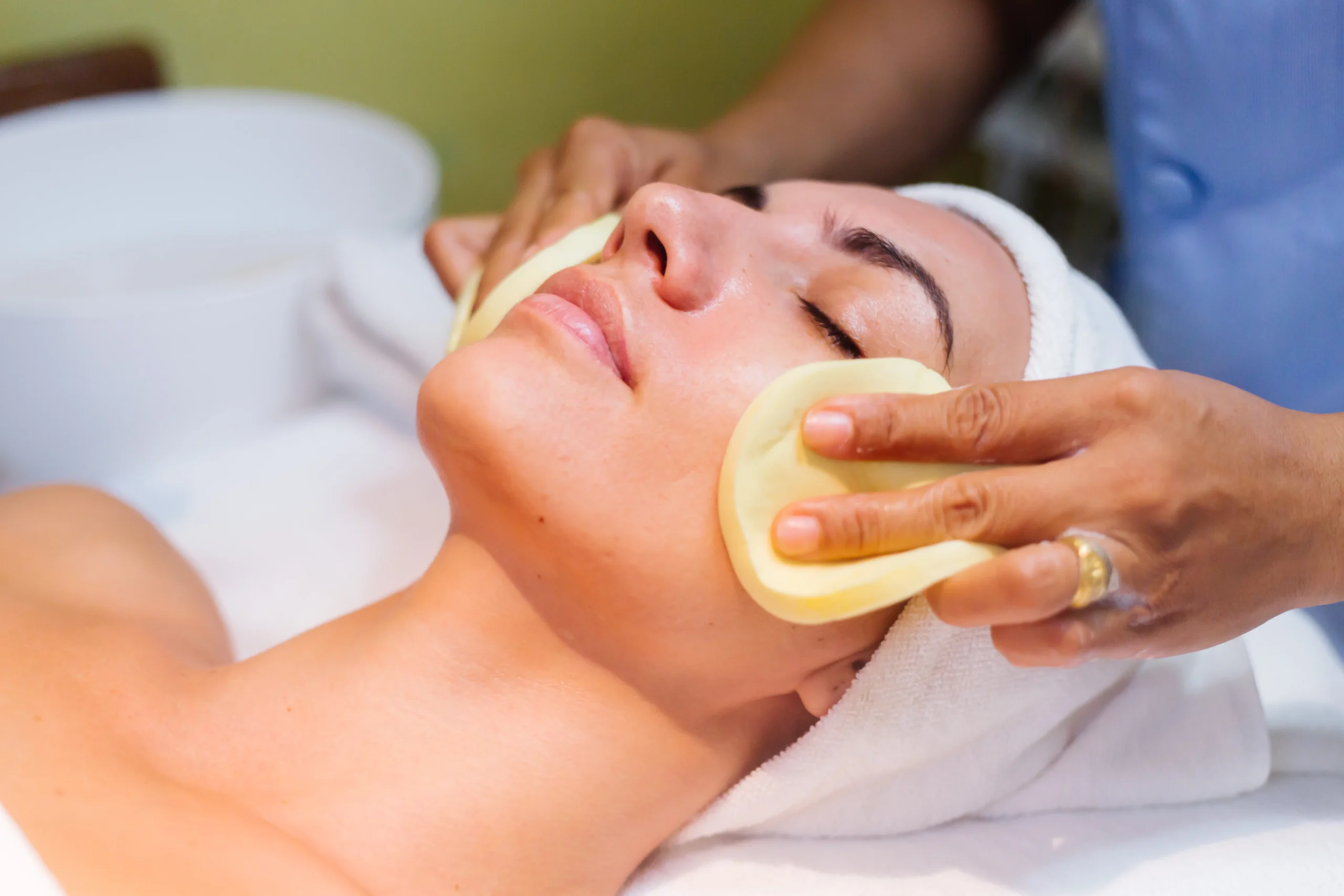
Professional Tan Removal Treatment options are designed to target pigmentation safely and effectively. These treatments are backed by medical science and customized based on your skin type.

Some commonly recommended treatments include:

1. Chemical Peels

Chemical peels gently exfoliate the top layer of skin, helping with skin tan removal and improving texture.

You can explore Anti Tan Peel Treatment  for clinically proven results.

2. Laser Treatments

Laser therapy targets melanin deposits, making it one of the most effective ways for tan removal and pigmentation correction.

3. Medi-Facials

Advanced facials help with hydration, exfoliation, and overall skin rejuvenation, supporting gradual tan removal.

Benefits of Tan Removal Treatment:

  • Faster and visible results
  • Safe when performed by dermatologists
  • Targets deep pigmentation
  • Improves overall skin health

If you’re serious about how to remove tan from face safely and effectively, professional treatments offer a more reliable solution than DIY methods.

Tan Removal vs Home Remedies: Key Differences

Factor

Tan Removal Home Remedies

Tan Removal Treatment

Effectiveness

Mild High

Speed

Slow

Fast

Depth of Action

Surface-level

Deep pigmentation

Safety

Risk of misuse

Medically supervised

Results Temporary

Long-lasting

While both approaches have their place, Tan Removal Treatment is generally more effective for long-term skin tan removal.

When Should You Choose Professional Treatment?

You should consider professional tan removal if:

  • Your tan has been present for a long time
  • Home remedies are not showing results
  • You notice uneven pigmentation or patches
  • You want faster and more visible improvement

If you’ve been repeatedly searching for how to remove tan without success, it may be time to consult a dermatologist.

Tips to Prevent Tanning

Prevention is just as important as treatment. Here are some simple tips:

  • Use sunscreen daily (SPF 30 or higher)
  • Reapply sunscreen every 2-3 hours
  • Wear protective clothing
  • Avoid peak sun hours

Even the best Tan Removal Treatment won’t be effective long-term without proper sun protection.

Final Verdict: What Actually Works?

Tan removal home remedies can help with mild tanning and maintenance, but they are not a complete solution for deeper pigmentation. On the other hand, Tan Removal Treatment offers faster, safer, and more effective results for long-lasting skin tan removal.

If your goal is clear, even-toned, and healthy skin, combining professional treatments with good skincare habits is the best approach.

FAQs

1. How to remove tan quickly?

Professional Tan Removal Treatment like chemical peels or laser therapy provides faster results compared to home remedies.

2. How to remove tan from face safely?

It’s best to consult a dermatologist for safe and effective treatment options rather than relying only on DIY methods.

3. Are tan removal home remedies effective?

They can help with mild tanning but are not very effective for deep pigmentation or long-term results.

4. How many sessions are needed for tan removal?

This depends on the severity of tanning and the treatment chosen. Most people need multiple sessions for optimal skin tan removal.

5. Is tan removal permanent?

Results can last long with proper sun protection, but new tanning can occur without care.

6. Can all skin types undergo Tan Removal Treatment?

Yes, treatments are customized based on skin type to ensure safety and effectiveness.

Why Choose Us?

At My Happy Skin, we are committed to helping you achieve healthy, radiant skin through expert and personalized dermatological care. Our clinic combines advanced skin technologies with experienced medical expertise to provide accurate diagnosis and customized treatment plans for concerns ranging from acne and pigmentation to anti-aging and skin rejuvenation. With a strong focus on patient comfort, transparency, and evidence-based treatments, we ensure a safe, hygienic, and welcoming environment where your skin goals are our priority. To learn more or book a consultation, visit https://myhappyskin.in/
Citations

  1. https://www.aad.org/public/everyday-care/skin-care-secrets/routine/fade-dark-spots
  2. https://www.ncbi.nlm.nih.gov/pmc/articles/PMC4756870/
  3. https://www.healthline.com/health/how-to-remove-tan 

Blackheads vs Whiteheads: The Difference and Treatment

Most people have experienced either a dark speck on their nose or a small, flesh-coloured bump under the skin — sometimes both at once. These are two of the most common skin concerns seen by dermatologists, and while blackheads and whiteheads are often grouped together, they behave differently, respond to different treatments, and require a specific approach to clear effectively.

If you have been dealing with either and wondering why your current routine is not working, this guide will clarify what you are actually dealing with and what treatment options are available at a skin specialist in Malad East.

What Are Blackheads and Whiteheads?

Both blackheads and whiteheads are types of comedonal acne — a non-inflammatory form of acne caused by clogged hair follicles. The clog is always made up of the same material: excess sebum, dead skin cells, and debris. What separates the two is whether the pore remains open or closed at the surface.

A blackhead, also called an open comedone, forms when a pore is clogged but the surface remains open. The contents inside oxidize on contact with air, which turns the plug a characteristic dark brown or black colour. Contrary to popular belief, the colour has nothing to do with dirt — it is a chemical reaction between sebum and oxygen.

A whitehead, or closed comedone, forms when the pore is blocked and the surface is sealed over by a thin layer of skin. Because the contents have no exposure to air, they do not oxidize and remain white or flesh-coloured. Whiteheads sit just beneath the skin surface and can feel slightly raised to the touch.

Key Differences at a Glance

Pore Status: Blackheads have an open pore; whiteheads have a closed pore.

Colour: Blackheads appear dark brown to black due to oxidation. Whiteheads are white, cream, or flesh-toned.

Texture: Blackheads are usually flat or slightly raised. Whiteheads feel like small, firm bumps under the skin.

Location: Blackheads are most common in the T-zone — nose, forehead, and chin. Whiteheads appear across the face, particularly the cheeks and chin.

Progression Risk: Both can progress to inflamed acne (papules, pustules, cysts) if bacteria enter the clogged pore. Whiteheads, because they are sealed, carry a slightly higher risk of becoming inflamed.

Why Home Extraction Is a Bad Idea

This is worth addressing directly because it is the most common mistake people make with both conditions. Squeezing blackheads or whiteheads at home — whether with fingers or tools — carries real risks. Improper pressure on a closed whitehead can rupture the follicle wall beneath the skin, pushing debris deeper and triggering inflammation. This can quickly turn a minor comedone into a painful, inflamed pimple or even lead to post-inflammatory pigmentation.

For people in Mumbai dealing with oily skin and high pollution exposure, congestion tends to be persistent. Home remedies and pore strips offer temporary visual improvement at best and frequently cause micro-damage that worsens the skin’s texture over time.

Professional Treatment Options at My Happy Skin

At My Happy Skin, Dr. Prachi Saraogi assesses the type and extent of comedonal congestion before recommending a treatment plan. The options vary depending on whether the concern is blackheads, whiteheads, or a combination.

Professional Extraction

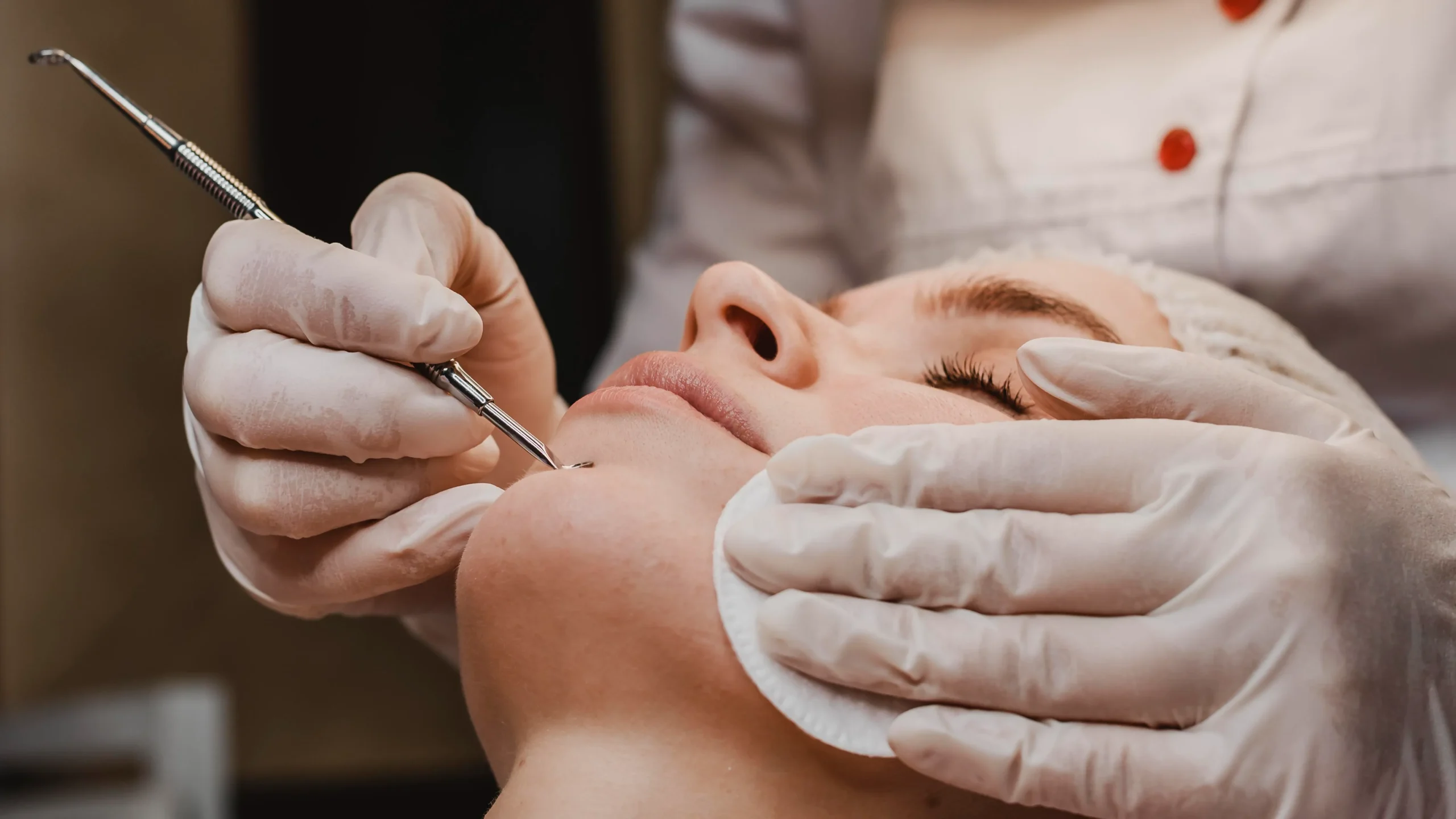
The most direct approach for both blackheads and whiteheads is professional blackhead and whitehead extraction in Malad. At My Happy Skin, this is performed using sterile tools after skin preparation with steam and softening solutions. The technique varies for open versus closed comedones — blackheads are expressed more easily, while whiteheads require a slightly different approach to safely lift the closed surface before extraction. There is minimal downtime and results are visible immediately.

Chemical Peels

Chemical peels in Malad — particularly salicylic acid-based peels — are highly effective for comedonal acne treatment in Malad. Salicylic acid is oil-soluble, which means it penetrates the pore lining and dissolves the sebum plug from within. A course of peels can significantly reduce both blackhead and whitehead formation over time while improving overall skin texture.

HydraFacial

HydraFacial in Malad is an excellent option for those who prefer a gentler, non-invasive approach. The vortex extraction step simultaneously loosens and removes debris from pores without manual pressure, making it particularly suitable for sensitive skin or mild congestion. It also infuses hydration immediately after extraction, which helps regulate sebum production.

Anti-Acne Facial

For those with a mix of comedonal and mild inflammatory acne, the anti-acne facial in Malad at My Happy Skin provides a comprehensive cleansing protocol that addresses clogged pores alongside surface-level bacteria and inflammation.

Skin Polishing

Skin polishing in Malad can complement extraction treatments by removing the layer of dead skin that contributes to recurring pore congestion — reducing the frequency of blackhead and whitehead formation over time.

If untreated comedonal acne has already progressed to pimples or left marks on the skin, acne treatment in Malad or acne scar removal may be recommended as part of a broader plan.

Why Choose My Happy Skin for Blackhead and Whitehead Treatment in Malad East

At My Happy Skin, every treatment begins with a proper skin assessment by Dr. Prachi Saraogi, a qualified dermatologist in Malad East. This matters because blackheads and whiteheads are often part of a broader pattern — oily skin, enlarged pores, recurring acne — that requires a structured, not a one-time, approach.

The clinic uses sterile, medical-grade tools, maintains strict hygiene standards, and recommends only evidence-based treatments suited to your skin type. Whether you need a single extraction session or a multi-step plan for clogged pores treatment in Mumbai, My Happy Skin provides a clear, transparent roadmap.

To book a consultation, visit myhappyskin.in/contact-us.

Frequently Asked Questions

Q1. What is the main difference between a blackhead and a whitehead?

A blackhead is an open, oxidized pore plug that appears dark, while a whitehead is a closed, sealed pore plug that appears white or flesh-toned.

Q2. Can blackheads and whiteheads turn into pimples?

Yes. If bacteria enter a clogged pore, either type can progress to an inflamed pimple, papule, or cyst — which is why early treatment matters.

Q3. Is it safe to squeeze blackheads or whiteheads at home?

No. Home squeezing can rupture the follicle wall, push debris deeper, and lead to scarring or post-inflammatory pigmentation.

Q4. How many sessions of professional extraction are needed?

Most clients see clear improvement after one session, but a course of 3–4 sessions spaced 3–4 weeks apart is recommended for persistent or widespread congestion.

Q5. Which is more difficult to treat — blackheads or whiteheads?

Whiteheads are generally harder to treat at home because the pore is sealed, but both respond well to professional extraction and chemical peels when done correctly.

Q6. Can a HydraFacial remove both blackheads and whiteheads?

Yes. The HydraFacial’s vortex extraction step effectively addresses both types of comedones, especially for mild to moderate congestion, without the pressure of manual extraction.

Citations

  1. Comedonal acne — types, causes, and treatment overview — American Academy of Dermatology
  2. Blackheads vs whiteheads — clinical explanation — Healthline
  3. Salicylic acid peel for comedonal acne — DermNet NZ
  4. Professional extraction safety and technique — Verywell Health
  5. HydraFacial for pore congestion and blackheads — Cleveland Clinic

Hydrafacial vs Regular Facial: Is It Worth It?

If you have been searching for a reliable skin treatment in Malad East, you have likely come across two options that keep appearing side by side: the classic regular facial and the increasingly popular HydraFacial. Both promise cleaner, brighter skin. But they are very different in how they work, how long results last, and what your skin actually gets from each session.

This guide breaks down the real differences so you can make an informed decision — and understand when one clearly outperforms the other.


What Is a Regular Facial?

A regular facial is a manual, salon-based treatment that typically includes steam, cleansing, exfoliation, manual extractions, a face massage, and a mask. It is relaxing, affordable, and widely available. For someone with generally healthy skin looking for basic maintenance and a quick glow, it serves its purpose.

However, a regular facial relies almost entirely on the skill of the person performing it. The depth of cleansing is limited to surface-level action. Serums and creams applied during the session sit on top of the skin rather than penetrating into the deeper layers where most skin concerns actually originate.

For residents dealing with daily exposure to pollution, humidity, and dust — a reality for most people in Mumbai — surface-level care often falls short.


What Is a HydraFacial?

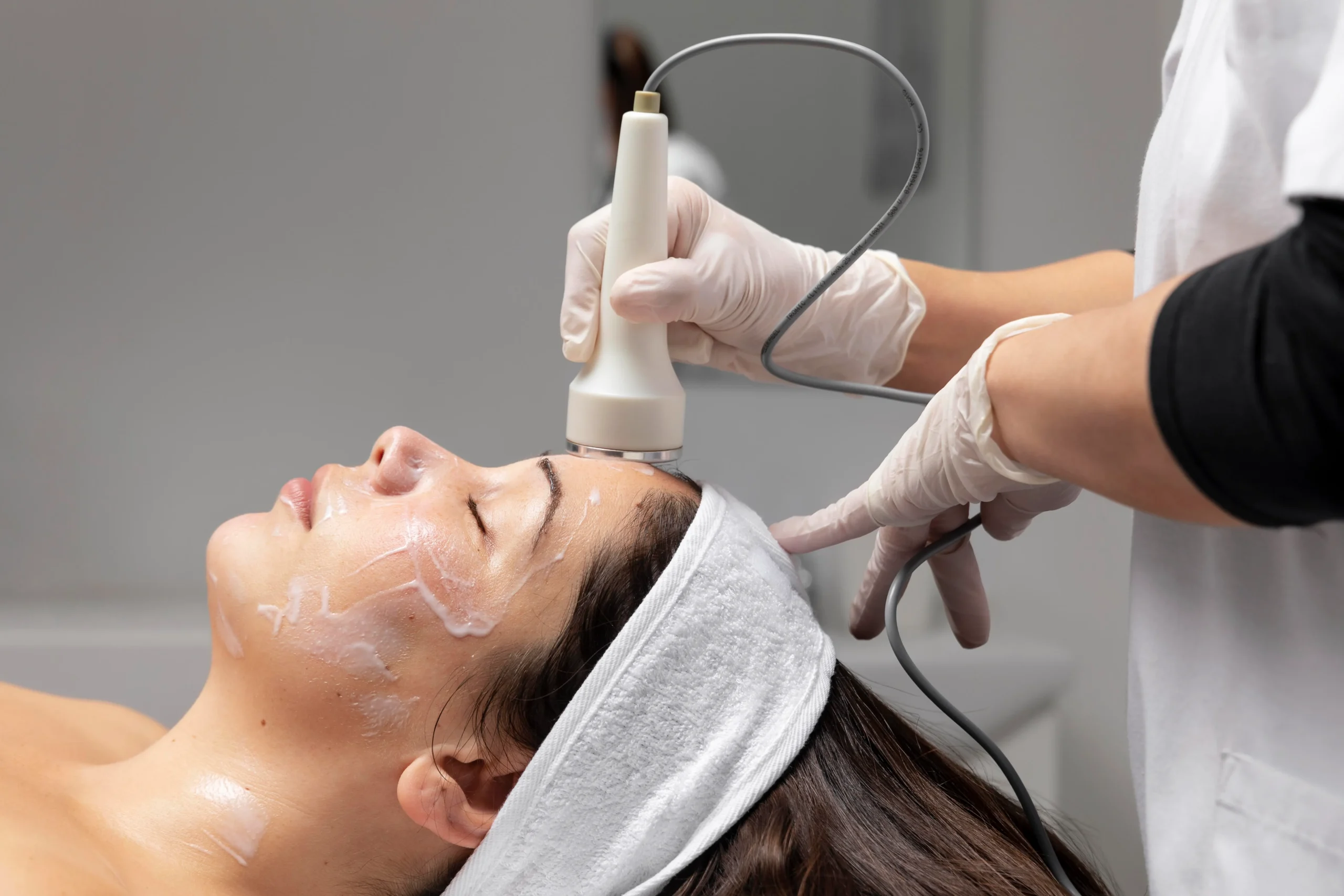
A HydraFacial is a medical-grade, non-invasive skin treatment performed using a specialized device with patented vortex-fusion technology. It combines four clinical steps — cleansing, exfoliation, painless extraction, and deep hydration with antioxidant infusion — all in a single session, typically completed in 30 to 45 minutes.

Unlike a regular facial, the HydraFacial machine simultaneously removes impurities while infusing the skin with hyaluronic acid, peptides, and antioxidants. This dual action means your pores are being cleared and nourished at the same moment — something no manual technique can replicate.

At My Happy Skin, the HydraFacial is performed under dermatologist supervision, ensuring the treatment is customized to your specific skin type and concern — whether that is dullness, pigmentation, dehydration, or congested pores.


HydraFacial vs Regular Facial: Key Differences

Depth of Treatment A regular facial works at the surface. The HydraFacial penetrates deeper layers using vacuum-based suction and infusion, making it clinically more effective for conditions like blackheads, clogged pores, and dehydrated skin.


Technology vs Manual Technique Regular facials depend on manual skill. A HydraFacial uses a standardized, medical-grade device that delivers consistent, measurable results each time — regardless of operator variation.


Downtime Both treatments have zero downtime. However, manual extractions in regular facials can sometimes cause mild redness or post-extraction irritation. The HydraFacial’s vortex extraction is gentle enough that most people return to work or step out immediately after.


Results A regular facial gives a temporary freshness that fades within a few days. A HydraFacial treatment delivers visible improvement in skin texture, hydration, and clarity that lasts several days to weeks, building further with repeat sessions.


Suitability Regular facials may not be appropriate for sensitive or acne-prone skin due to steam and manual pressure. The HydraFacial is safe across all skin types — oily, dry, combination, and sensitive — making it a versatile choice for the diverse skin types seen in Mumbai’s population.


Is HydraFacial Worth the Higher Cost?

This is the most common question when people explore HydraFacial treatment in Mumbai. The short answer is yes — but with context.


If your primary goal is relaxation and basic upkeep, a regular facial at a trusted salon does the job at a lower cost. But if your skin concerns include pigmentation, recurring blackheads, dullness from pollution exposure, or dehydration, then the HydraFacial is not just a luxury — it is a more efficient use of your time and money.


Clients who invest in monthly HydraFacial sessions often find that they spend less on corrective treatments for concerns that could have been prevented. You can learn more about skin brightening treatment in Malad and related options available at My Happy Skin’s treatments page.


For those managing active acne or post-acne pigmentation, combining a HydraFacial with treatments such as chemical peels in Malad or acne treatment can provide significantly better long-term outcomes than either treatment alone.


Who Should Choose a HydraFacial?

A HydraFacial is an excellent choice if you:


  • Have dull, dehydrated skin from pollution or sun exposure
  • Struggle with blackheads or chronically clogged pores
  • Want an instant, event-ready glow with no recovery time
  • Have sensitive skin that reacts to manual extraction or harsh peels
  • Are looking for a deep cleansing facial in Malad that goes beyond surface care
  • Are preparing for a wedding or a major event (see our bridal glow treatment)


Why Choose My Happy Skin for HydraFacial in Malad East

At My Happy Skin, every HydraFacial session is performed under the guidance of Dr. Prachi Saraogi, a qualified dermatologist in Malad East with expertise in evidence-based skin treatments. This is not a salon service — it is a clinically supervised skin procedure with a protocol tailored to your individual skin assessment.

The clinic uses advanced vortex technology, maintains strict hygiene standards, and offers a transparent consultation process before every session. Whether you are a first-time patient or exploring a more comprehensive skin plan, My Happy Skin is a trusted space for glow facial treatment in Mumbai that delivers real, measurable results.

To book a consultation or learn more about HydraFacial in Malad, visit myhappyskin.in.


Frequently Asked Questions

Q1. What is the main difference between a HydraFacial and a regular facial?

A regular facial uses manual techniques and works at the skin’s surface, while a HydraFacial uses a medical-grade device to cleanse, extract, and hydrate at a deeper level with consistent, visible results.


Q2. Is a HydraFacial safe for Indian skin types?

Yes, the HydraFacial is suitable for all skin tones and types, including the oily and combination skin common in Mumbai’s humid climate.


Q3. How often should I get a HydraFacial in Malad?

Most dermatologists recommend once every three to four weeks for maintenance; those with active concerns like pigmentation or blackheads may benefit from more frequent sessions initially.


Q4. Does a HydraFacial have any downtime?

No. You can resume your daily routine immediately after the session, which is why it is often called a lunchtime treatment.


Q5. Can a HydraFacial be combined with other skin treatments?

Yes. At My Happy Skin, the HydraFacial can be combined with treatments such as chemical peels or skin polishing based on your skin goals — your dermatologist will advise the safest protocol.


Q6. Is a HydraFacial worth it compared to a regular salon facial?

For anyone dealing with dullness, clogged pores, or dehydration, yes — the HydraFacial offers deeper, longer-lasting results than a regular facial and is a clinically superior option when performed at a dermatologist-led clinic.


Citations

  1. HydraFacial treatment overview and skin type suitability — Pristyn Care
  2. HydraFacial vs regular facial comparison — Sikara Clinics Blog
  3. HydraFacial steps and procedure detail — The Aesthetica
  4. HydraFacial pricing in Mumbai — APluSkin
  5. Indian skin and HydraFacial suitability — Kapils Salon

Microneedling for Acne Scars: How It Works and What to Expect

Microneedling for Acne Scars: How It Works and What to Expect

Acne scars can be a constant reminder of past breakouts. Even when acne is under control, uneven texture and marks may affect your confidence. If you have been searching for a safe and effective solution, microneedling for acne scars is one of the most trusted dermatological treatments available today.

At My Happy Skin, we understand how frustrating acne scars can feel. In this blog, we explain how microneedling works, what you can expect during the procedure, and whether it may be right for you.

What Is Microneedling?

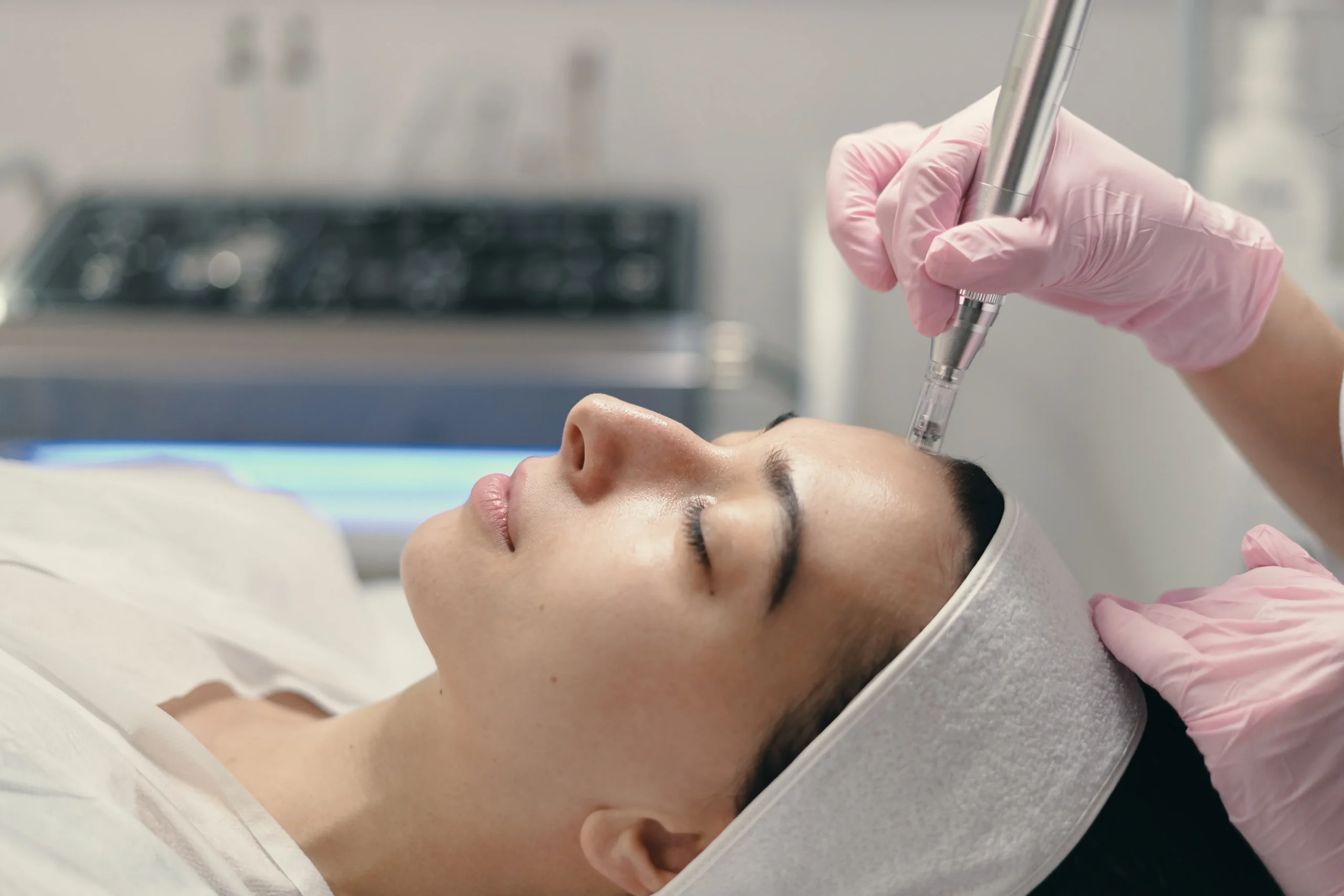
Microneedling is a minimally invasive dermatological procedure that stimulates your skin’s natural healing process. It uses a device with fine, sterile needles that create controlled micro-injuries in the skin. These tiny punctures trigger collagen and elastin production, which helps improve skin texture and reduce the appearance of scars.

A microneedling treatment is performed by a trained dermatologist under strict hygiene protocols. Because the procedure activates the body’s natural repair mechanism, it gradually improves acne scars, fine lines, and overall skin quality.

How Microneedling for Acne Scars Works

Microneedling for acne scars works by breaking down old scar tissue and promoting the formation of new collagen-rich tissue. Acne scars, especially atrophic scars (like ice-pick, boxcar, and rolling scars), occur due to collagen loss. By stimulating collagen production, microneedling helps fill in depressed scars and smooth out uneven texture.

During a microneedling treatment, a topical numbing cream is applied to ensure comfort. The dermatologist then uses a specialized device to create microchannels in the affected area. These microchannels not only stimulate healing but also enhance the absorption of serums that may be applied during the procedure.

Over time, repeated sessions of microneedling for acne scars lead to visible improvement in skin texture and firmness.

What Is a Microneedling Facial?

A microneedling facial is a targeted skin rejuvenation procedure focusing on improving overall skin tone, texture, and clarity. While microneedling for acne scars specifically addresses scarring, a microneedling facial may also help with enlarged pores, dull skin, and mild pigmentation.

Many patients choose a microneedling facial as part of their long-term skin maintenance plan. It is suitable for most skin types and tones, making it a versatile dermatological solution.

Microneedling Benefits for Acne Scars

There are several microneedling benefits that make this procedure a popular choice:

  1. Stimulates natural collagen production
  2. Improves skin texture and smoothness
  3. Reduces the depth of acne scars
  4. Minimally invasive with limited downtime
  5. Safe for most skin tones

Among the most important microneedling benefits is that it uses your body’s own healing response rather than relying on harsh chemicals or extensive surgery. With proper sessions, microneedling for acne scars can provide gradual yet noticeable improvements.

Who Is an Ideal Candidate?

Microneedling for acne scars is ideal for individuals with:

  • Atrophic acne scars
  • Uneven skin texture
  • Mild to moderate scarring
  • Stable acne (no active severe breakouts)

However, those with active infections, certain skin conditions, or uncontrolled medical issues may need alternative treatments. A proper consultation is essential before starting any microneedling treatment.

What to Expect During the Procedure

Understanding the process can help ease any anxiety.

Before the Procedure
Your dermatologist will examine your skin, discuss your medical history, and determine if microneedling for acne scars is suitable for you. You may be advised to avoid certain skincare products a few days before the session.

During the Procedure
A numbing cream is applied to minimize discomfort. The microneedling treatment typically takes 30 to 60 minutes, depending on the treatment area. You may feel mild pressure or vibration, but most patients tolerate it well.

After the Procedure
Mild redness and slight swelling are common and usually subside within 24–72 hours. Your skin may feel tight or sensitive, similar to a mild sunburn. Proper aftercare, including sunscreen use and gentle skincare, is essential.

How Many Sessions Are Needed?

Microneedling for acne scars usually requires multiple sessions for optimal results. Most patients need 3 to 6 sessions spaced about 4 to 6 weeks apart. The number of sessions depends on the severity of scarring and individual skin response.

Because collagen remodeling takes time, improvements continue gradually over several weeks after each microneedling treatment.

Is Microneedling Safe?

When performed by a qualified dermatologist, microneedling is considered safe. Professional-grade devices ensure controlled depth and sterile conditions, reducing the risk of infection or complications.

Avoid at-home rollers for treating deep acne scars, as they may not provide the same precision or safety as a clinical microneedling treatment.

Microneedling Facial vs Other Acne Scar Treatments

Compared to chemical peels or laser treatments, microneedling for acne scars offers:

  • Less downtime
  • Lower risk of pigmentation changes
  • Suitability for darker skin tones
  • Gradual and natural-looking improvement

While laser treatments may also be effective, many patients prefer a microneedling facial for its minimal invasiveness and versatility.

Aftercare Tips for Best Results

To maximize microneedling benefits, follow these aftercare tips:

  • Avoid direct sun exposure for a few days
  • Use a gentle cleanser and moisturizer
  • Apply broad-spectrum sunscreen daily
  • Avoid active ingredients like retinol temporarily
  • Follow your dermatologist’s instructions carefully

Proper aftercare ensures faster healing and enhances the results of microneedling for acne scars.

Frequently Asked Questions (FAQs)

  1. Is microneedling painful?

    Most patients experience minimal discomfort because a numbing cream is applied before the microneedling treatment.

  2. How soon will I see results from microneedling for acne scars?

    You may notice mild improvement after one session, but significant changes usually appear after 3 to 4 sessions.

  3. Can a microneedling facial treat active acne?

    A microneedling facial is generally recommended for acne scars rather than active severe acne. Your dermatologist will guide you.

  4. Are the results of microneedling permanent?

    The collagen produced during microneedling for acne scars is long-lasting. However, maintaining healthy skin and follow-up sessions may be recommended.

  5. Is there any downtime after microneedling?

    Downtime is minimal. Mild redness typically resolves within a few days.

  6. Can all skin types undergo microneedling treatment?

    Yes, microneedling treatment is safe for most skin types, including darker skin tones, when performed by a qualified dermatologist.

Why Choose Us?

At My Happy Skin, we are committed to helping you achieve healthy, radiant skin through expert and personalized dermatological care. Our clinic combines advanced skin technologies with experienced medical expertise to provide accurate diagnosis and customized treatment plans for concerns ranging from acne and pigmentation to anti-aging and skin rejuvenation. With a strong focus on patient comfort, transparency, and evidence-based treatments, we ensure a safe, hygienic, and welcoming environment where your skin goals are our priority. To learn more or book a consultation, visit https://myhappyskin.in/
Citations

  1. American Academy of Dermatology – Microneedling Overview: https://www.aad.org/public/cosmetic/procedures/microneedling 
  2. Journal of Clinical and Aesthetic Dermatology – Microneedling in Acne Scars: https://www.ncbi.nlm.nih.gov/pmc/articles/PMC4976400/
  3. Dermatologic Surgery Journal – Collagen Induction Therapy: https://journals.lww.com/dermatologicsurgery

What Is a Chemical Peel? Types, Benefits & Procedure

Healthy, glowing skin is something most of us aspire to achieve. However, concerns like acne, pigmentation, uneven tone, and early signs of aging can make skin look dull and tired. One of the most effective dermatologist-recommended treatments for improving overall skin quality is a chemical peel.

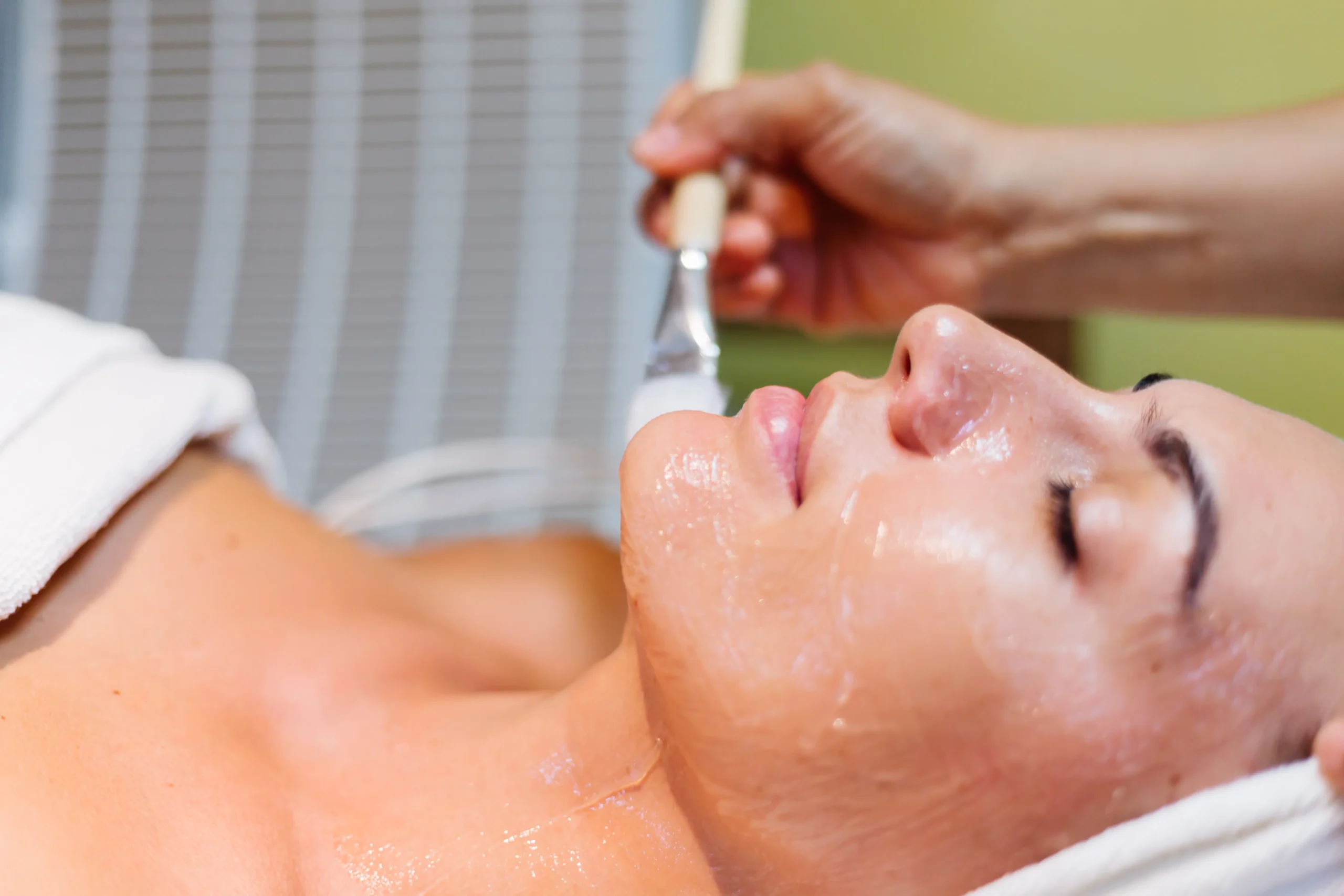
A chemical peel is a dermatological procedure that uses a specially formulated chemical solution to exfoliate the outer layers of the skin. By removing damaged skin cells, it encourages new, healthier skin to emerge, resulting in a smoother and brighter complexion.

In this blog, we will help you understand what a chemical peel treatment involves, its types, chemical peel benefits, possible risks, and whether it is right for you.

What Is a Chemical Peel?

A chemical peel is a skin-resurfacing procedure where a controlled chemical solution is applied to the face or other areas. This solution gently removes the top layers of the skin, stimulating regeneration and collagen production.

A chemical face peel can be customized based on your skin type and concerns. Dermatologists may recommend it for acne, pigmentation, acne scars, fine lines, sun damage, and uneven texture.

Many patients choose chemical peel treatment because it is minimally invasive and requires relatively little downtime compared to more aggressive procedures.

Types of Chemical Peel

There are three main types of chemical peel, depending on how deeply they penetrate the skin:

1. Superficial Peel

Also called a light peel, this type works on the outermost layer of the skin (epidermis). It is ideal for mild pigmentation, dullness, and minor acne. A chemical face peel in this category often uses mild acids like glycolic or lactic acid.

2. Medium Peel

A medium chemical peel penetrates deeper into the skin and is commonly used as a chemical peel for pigmentation and moderate acne scars. It helps improve uneven skin tone and texture more effectively than superficial peels.

3. Deep Peel

A deep chemical peel works on deeper skin layers and is usually recommended for severe sun damage, deeper wrinkles, and stubborn acne scars. Because it is more intensive, it requires longer recovery and must be performed strictly under expert supervision.

Your dermatologist will assess your skin condition before recommending the most suitable chemical peel treatment.

Chemical Peel Benefits

There are several chemical peel benefits that make this procedure popular in dermatology clinics:

  1. Improves skin texture and smoothness
  2. Reduces pigmentation and dark spots
  3. Controls acne breakouts
  4. Minimizes the appearance of scars and fine lines

One of the major chemical peel benefits is that it stimulates collagen production, which enhances skin firmness over time. Patients seeking a chemical peel for pigmentation often notice brighter, more even-toned skin after a few sessions.

Another important aspect of chemical peel benefits is improved absorption of skincare products, as dead skin layers are removed.

Chemical Peel for Acne and Acne Scars

A chemical peel for acne works by exfoliating clogged pores, reducing excess oil, and killing acne-causing bacteria. It also helps calm inflammation and prevent future breakouts.

For individuals dealing with post-acne marks, a chemical peel for acne scars can significantly improve skin texture. While deeper scars may require multiple sessions, consistent chemical peel treatment can visibly reduce their appearance.

Many dermatologists combine a chemical peel for acne with medical skincare for optimal results. Similarly, a chemical peel for acne scars may be part of a comprehensive treatment plan that includes microneedling or laser therapy.

Chemical Peel for Pigmentation

Uneven skin tone and dark patches are common concerns. A chemical peel for pigmentation works by removing melanin-rich damaged skin cells from the surface.

Whether pigmentation is due to sun exposure, acne marks, or hormonal changes, a chemical peel for pigmentation can help restore clarity and brightness. Multiple sessions of chemical peel treatment may be needed for deeper pigmentation issues like melasma.

When done correctly, a chemical peel for pigmentation provides gradual and natural-looking improvement.

Procedure: What to Expect 

Understanding the procedure can ease anxiety before your first chemical face peel.

Step 1: Consultation
Your dermatologist evaluates your skin type, concerns, and medical history to decide the appropriate chemical peel treatment.

Step 2: Cleansing
The skin is thoroughly cleansed to remove oil and dirt.

Step 3: Application
The chemical solution is carefully applied to the treatment area. You may feel mild tingling or warmth.

Step 4: Neutralization and Aftercare
Depending on the type of chemical peel, the solution may be neutralized and removed after a few minutes. Post-treatment skincare and sunscreen are essential.

After a chemical face peel, mild redness or peeling is common and usually subsides within a few days.

Chemical Peel Side Effects

Like any dermatological procedure, there can be chemical peel side effects. Most are mild and temporary.

Common chemical peel side effects include redness, dryness, peeling, and slight sensitivity. In rare cases, improper technique can lead to infection, scarring, or post-inflammatory hyperpigmentation.

Discussing possible chemical peel side effects with your dermatologist ensures you are well-informed and prepared. Choosing a qualified clinic significantly reduces risks.

Who Is a Good Candidate?

You may be a suitable candidate for chemical peel treatment if you have:

  • Acne-prone skin
  • Pigmentation or sun spots
  • Mild to moderate acne scars
  • Uneven skin tone
  • Fine lines and dullness

However, pregnant women, individuals with active skin infections, or those with extremely sensitive skin should consult a dermatologist before opting for a chemical peel.

Aftercare Tips

Proper aftercare enhances results and minimizes chemical peel side effects:

  • Use gentle cleansers
  • Avoid direct sun exposure
  • Apply broad-spectrum sunscreen daily
  • Avoid picking or peeling flaking skin
  • Follow prescribed skincare strictly

Following post-procedure instructions ensures better healing and maximizes chemical peel benefits.

FAQs

  1. Is a chemical peel painful?

    A chemical peel may cause mild tingling or warmth, but it is generally well tolerated.

  2. How many sessions of chemical peel treatment are required?

    Most people need 3–6 sessions of chemical peel treatment for visible and lasting results, depending on the concern.

  3. Can a chemical face peel treat acne scars?

    Yes, a chemical peel for acne scars helps improve skin texture and reduce post-acne marks over multiple sessions.

  4. Is chemical peel for pigmentation safe?

    When performed by a qualified dermatologist, chemical peel for pigmentation is safe and effective.

  5. Are there any long-term chemical peel side effects?

    Long-term chemical peel side effects are rare when the procedure is done correctly and proper aftercare is followed.

  6. How soon can I see results after a chemical peel for acne?

    Improvement in breakouts may be seen within a few weeks after a chemical peel for acne, though full results require multiple sessions.

Why Choose Us?

At My Happy Skin, we are committed to helping you achieve healthy, radiant skin through expert and personalized dermatological care. Our clinic combines advanced skin technologies with experienced medical expertise to provide accurate diagnosis and customized treatment plans for concerns ranging from acne and pigmentation to anti-aging and skin rejuvenation. With a strong focus on patient comfort, transparency, and evidence-based treatments, we ensure a safe, hygienic, and welcoming environment where your skin goals are our priority. To learn more or book a consultation, visit https://myhappyskin.in/
Citations

  1. American Academy of Dermatology Association – Chemical Peels
    https://www.aad.org/public/cosmetic/chemical-peels 
  2. Mayo Clinic – Chemical Peel Overview
    https://www.mayoclinic.org/tests-procedures/chemical-peel/about/pac-20393473
  3. Indian Journal of Dermatology – Chemical Peeling in Dermatology
    https://www.ncbi.nlm.nih.gov/pmc/articles/PMC3560165/