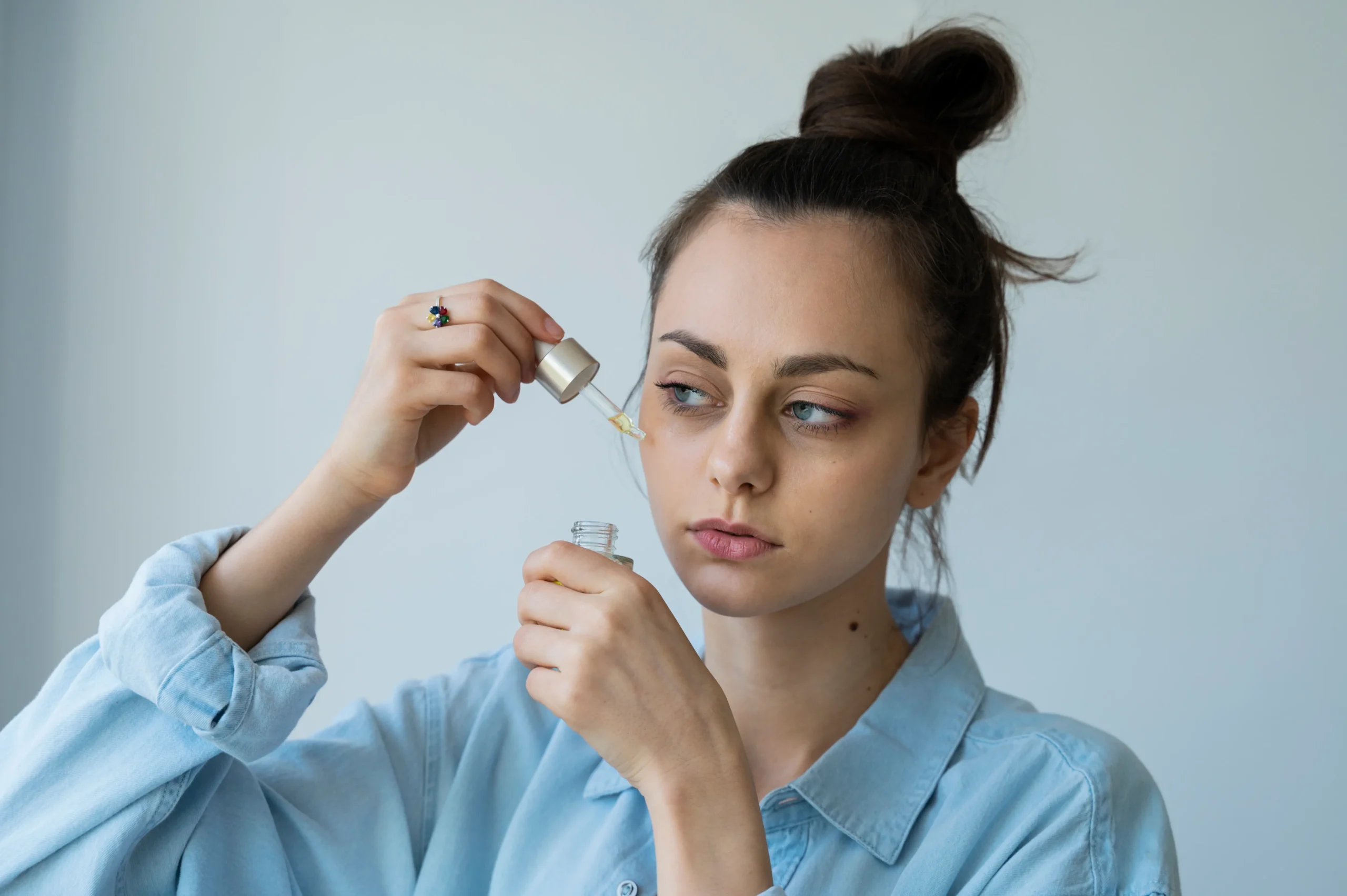
Niacinamide vs Vitamin C: Which Serum Is Better for Your Skin?
Walk into any pharmacy or scroll through any skincare page and these two ingredients appear at the top of almost every recommendation: niacinamide and Vitamin C. Both are backed by solid research, widely available, and frequently marketed for the same concerns — brightening, pigmentation, and uneven skin tone. But they work very differently, suit different skin types, and are not always interchangeable.
If you have been unsure which one to choose — or whether you can use both — this breakdown will give you a clear, clinically grounded answer.
What Is Niacinamide?
Niacinamide is a form of Vitamin B3, a water-soluble ingredient that works across multiple pathways in the skin. It reduces the transfer of melanin (the pigment responsible for dark spots) to skin cells, which makes it effective for addressing post-acne marks, melasma, and general uneven tone. It also strengthens the skin barrier by increasing ceramide production, regulates sebum output in oily skin, and has a mild anti-inflammatory effect that makes it suitable even for sensitive skin types.
For Indian skin — which is typically more prone to post-inflammatory hyperpigmentation due to higher baseline melanin levels — niacinamide for Indian skin is particularly well-suited. It is stable, non-irritating, and can be used morning and night without sun sensitivity concerns.
What Is Vitamin C?
Vitamin C (most commonly L-ascorbic acid in serums) is a potent antioxidant that works primarily by inhibiting tyrosinase — the enzyme that triggers melanin production. It directly neutralizes free radicals from UV exposure, brightens existing dark spots, and stimulates collagen synthesis, which makes it useful for both pigmentation and early signs of aging.
The trade-off is stability and tolerance. L-ascorbic acid is notoriously unstable — it oxidizes quickly when exposed to air and light, turning the serum yellow or orange, which signals degradation. It also works best at a low pH (below 3.5), which can cause tingling or irritation, particularly for sensitive or acne-prone skin. Vitamin C serum for the face delivers the best results when used in the morning, where its antioxidant activity works alongside sunscreen to protect against UV-induced damage.
Niacinamide vs Vitamin C: The Key Differences
Mechanism of Action
Niacinamide reduces melanin transfer to surface cells after it has been produced. Vitamin C blocks melanin production at the source by inhibiting tyrosinase. Both reduce pigmentation, but through entirely different pathways — which is why combining them can be more effective than using either alone.
Skin Type Suitability
Niacinamide is suitable for all skin types — oily, dry, sensitive, and combination. It is particularly well-tolerated by acne-prone skin and does not cause purging. Vitamin C, especially at concentrations of 15% or above, can be too harsh for sensitive or compromised skin. Those new to actives are generally advised to start with niacinamide and introduce Vitamin C gradually.
Stability and Formulation
Niacinamide is highly stable across a wide pH range and tolerates heat and light reasonably well. Vitamin C is unstable and degrades rapidly — quality of formulation and packaging matters significantly. A poorly stored or expired Vitamin C serum provides no benefit and can actually irritate the skin.
Targeted Concerns
For oily skin, enlarged pores, and mild pigmentation from acne — niacinamide. For sunspot removal, brighter overall complexion, and collagen support — Vitamin C. For melasma and deeper pigmentation, both ingredients have a role, but professional-grade treatment is usually needed alongside.
Can You Use Niacinamide and Vitamin C Together?
Yes — the old concern that niacinamide and Vitamin C cancel each other out has been largely debunked by current research. The reaction between them requires temperatures and concentrations that are not present in standard skincare routines. They can be layered in the same routine, though using them at different times of day (Vitamin C in the morning, niacinamide morning or evening) is still a reasonable approach for sensitive skin to avoid any potential flushing at higher concentrations.
For those managing pigmentation concerns seriously, the combination of both actives can deliver more comprehensive results than either ingredient used in isolation.
When Serums Are Not Enough
Both niacinamide and Vitamin C are effective maintenance ingredients, but they work at a surface level and within the limits of what cosmetic-grade products can achieve. For concerns like melasma, deep post-inflammatory hyperpigmentation, or sun damage accumulated over years — topical serums will improve tone gradually but will not resolve the underlying issue.
This is where professional treatment becomes relevant. Pigmentation removal treatment in Malad — including Q-Switch laser therapy — directly targets melanin clusters at a depth that topical ingredients cannot reach. For skin that needs more than a serum, Q-Switch Laser in Malad offers a clinically proven approach to deep pigmentation removal.
Similarly, chemical peels in Malad — particularly glycolic or kojic acid peels — can accelerate the results that niacinamide and Vitamin C deliver topically, by removing the pigmented surface layer more efficiently. A HydraFacial in Malad infused with brightening serums is another option for those who want professional-grade skin brightening without downtime.
For skin with both active pigmentation and barrier sensitivity — a combination pattern common in Mumbai's climate — determining the right serum and the right professional treatment to pair it with requires an individual assessment, not a generic recommendation.
Which One Should You Choose?
If your primary concern is oily or acne-prone skin with post-acne marks — start with niacinamide. It will regulate sebum, reduce inflammation, and fade discolouration without risk of irritation.
If your primary concern is sun damage, dull complexion, or early fine lines — Vitamin C in the morning, paired with broad-spectrum SPF, is the stronger choice.
If you have persistent or deepening pigmentation — melasma, sun spots, or stubborn post-acne marks — no serum, however well-formulated, will be sufficient on its own. A consultation with a dermatologist will give you a treatment map that combines the right topicals with clinical-grade intervention.
At My Happy Skin, Dr. Prachi Saraogi offers personalised skin assessments for pigmentation treatment in Malad East and recommends evidence-based treatment plans that align with your skin type, budget, and long-term goals. Whether you need guidance on skincare actives or are ready to explore skin brightening treatment in Malad, a consultation is the clearest starting point.
Book a consultation at myhappyskin.in/contact-us.
Frequently Asked Questions
Q1. Is niacinamide or Vitamin C better for pigmentation?
Both address pigmentation through different pathways — niacinamide reduces melanin transfer while Vitamin C blocks its production. Using both together gives more comprehensive results, though persistent pigmentation typically needs professional treatment alongside.
Q2. Can niacinamide and Vitamin C be used in the same routine?
Yes. The concern about them interacting negatively is not supported by current evidence. Using Vitamin C in the morning and niacinamide morning or evening is a practical approach, especially for sensitive skin.
Q3. Which serum is better for Indian skin?
Niacinamide is generally better tolerated as a starting point for Indian skin, which is more prone to post-inflammatory hyperpigmentation and sensitivity. Vitamin C can be introduced gradually once the skin barrier is stable.
Q4. What percentage of niacinamide is effective for skin brightening?
5% to 10% niacinamide is the clinically studied and most widely recommended range. Concentrations above 10% rarely add benefit and may increase the risk of irritation.
Q5. Do I need a dermatologist if I am just using serums?
For general maintenance and mild concerns, serums can be used independently. For melasma, deep pigmentation, or if you are unsure which actives suit your skin type, a dermatologist consultation prevents wasted time and potential skin reactions.
Q6. Can Vitamin C serum cause skin darkening?
A degraded or oxidized Vitamin C serum can cause irritation and, in some cases, worsen discolouration. Always check the serum's colour — if it has turned deep yellow or orange, it has oxidized and should be replaced.
Citations
- Niacinamide — mechanism and clinical use for pigmentation — DermNet NZ
- Vitamin C in dermatology — evidence and formulation — Journal of Clinical and Aesthetic Dermatology
- Niacinamide vs Vitamin C — ingredient comparison — Healthline
- L-ascorbic acid stability and formulation — Paula's Choice Research
- Hyperpigmentation in skin of colour — treatment overview — American Academy of Dermatology