101, ST Centre, Malad East, Mumbai, Maharashtra, 400097.

Skin Barrier Damage: Signs, Causes & How to Repair It

Your skin barrier is the outermost layer of the skin — a tightly packed structure of cells and lipids that acts as the body’s first line of defence. It keeps moisture in and keeps irritants, bacteria, and pollutants out. When it is functioning well, skin looks calm, hydrated, and resilient. When it is damaged, almost everything goes wrong at once.

Skin barrier damage is one of the most under-recognised causes of persistent skin problems — and also one of the most commonly worsened by the very products people use to fix them. Understanding what has gone wrong, and how to correct it, is the foundation of any effective skin recovery plan.

What Does the Skin Barrier Actually Do?

The skin barrier — technically called the stratum corneum — is made up of dead skin cells (corneocytes) held together by a matrix of lipids including ceramides, fatty acids, and cholesterol. Think of it as a brick wall: the cells are the bricks, and the lipids are the mortar holding everything together.

This structure serves two simultaneous functions: it prevents transepidermal water loss (TEWL), keeping skin hydrated from within, and it blocks external aggressors — UV radiation, pollution, pathogens, and chemical irritants — from penetrating deeper layers. When the lipid matrix is disrupted, both functions fail. Water escapes and irritants enter, triggering a cycle of dryness, sensitivity, and inflammation that is difficult to break without the right approach.

Signs of a Damaged Skin Barrier

The signs of skin barrier damage are often mistaken for separate skin concerns rather than symptoms of a single underlying problem. The most common indicators include:

Persistent dryness and tightness — skin feels uncomfortable even after moisturising, and dehydration returns within hours of application. This is a direct result of increased TEWL.

Increased sensitivity and stinging — products that were previously tolerated begin to sting, burn, or cause redness. Even water can feel irritating on severely compromised skin.

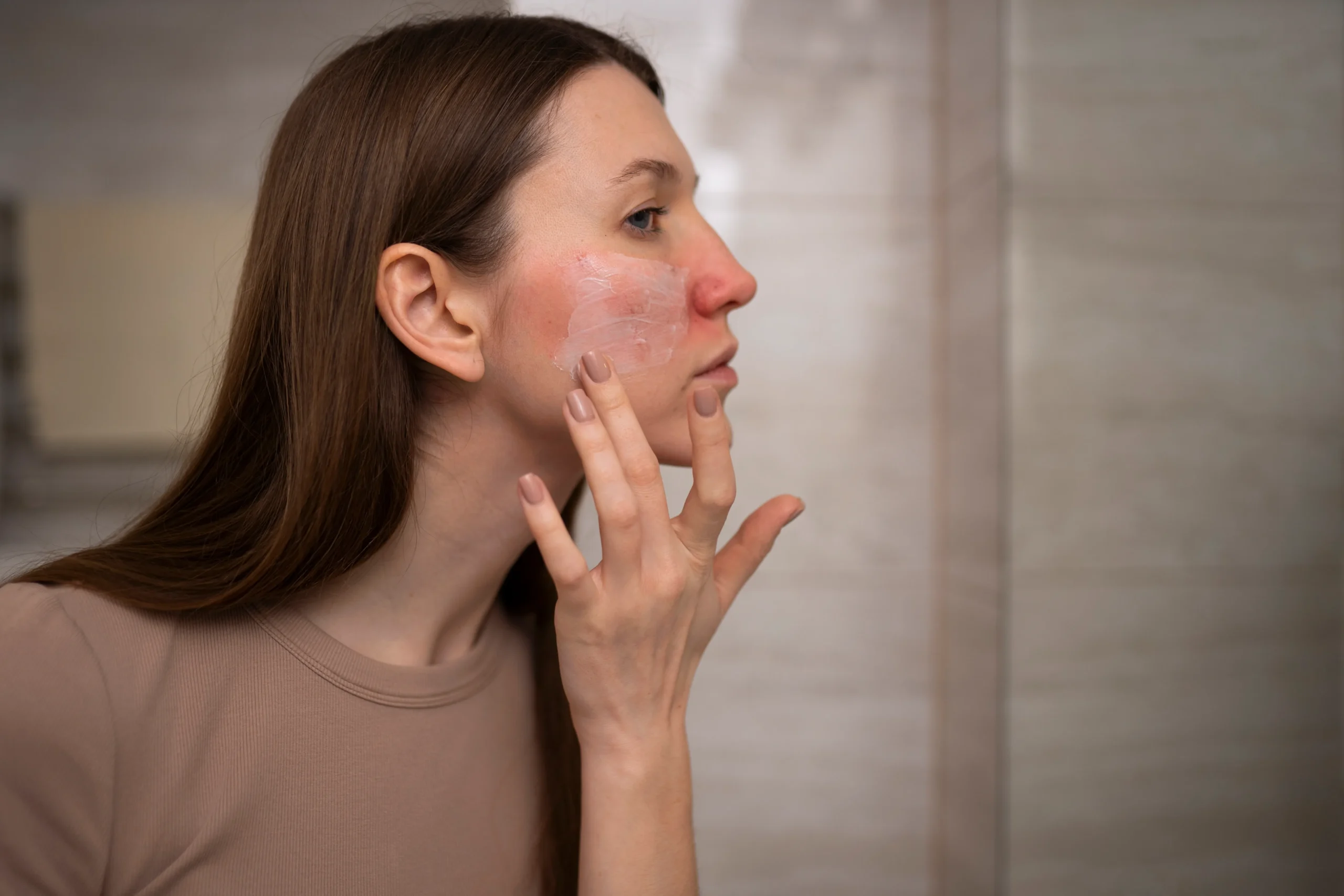
Redness and uneven tone — low-grade inflammation from barrier disruption causes a flushed, blotchy appearance that is not linked to any specific trigger.

Breakouts in unusual areas — when the barrier is compromised, bacteria and environmental debris penetrate more easily, causing congestion and acne in skin types that do not normally break out.

Rough or flaky texture — skin that previously felt smooth develops a rough, uneven surface as the shedding process is disrupted and dead cells accumulate irregularly.

If multiple of these signs are present simultaneously, a damaged skin barrier is the most likely common cause — not five separate problems requiring five separate solutions.

What Causes Skin Barrier Damage?

Skin barrier damage rarely has a single cause. In most cases it is a combination of internal and external factors that compound over time.

Over-Exfoliation

This is the most frequent cause seen in dermatology clinics. The widespread use of AHAs, BHAs, retinoids, and physical scrubs — often layered together without adequate recovery time — physically strips the lipid matrix. The skin feels smooth immediately after but becomes progressively more sensitised with repeated use.

Harsh or Incompatible Skincare

High-fragrance products, alcohol-based toners, sulfate-heavy cleansers, and high-concentration actives used without acclimatisation all disrupt the skin barrier. Mixing too many active ingredients — a pattern fuelled by ingredient-trend content online — is a leading cause of barrier damage in otherwise healthy skin.

Environmental Factors

Mumbai’s climate — high humidity combined with significant pollution load and UV exposure — places chronic stress on the skin barrier. Air-conditioning, which strips ambient moisture, compounds this further. Skin in this environment loses water more rapidly and has less opportunity to recover between exposures.

Hot Water and Over-Cleansing

Hot water dissolves the skin’s natural lipid layer. Cleansing more than twice daily, or using hot water consistently, progressively depletes the barrier — particularly for those with naturally dry or combination skin.

Underlying Skin Conditions

Eczema, psoriasis, and rosacea all involve inherent barrier dysfunction as part of their pathology. In these cases, barrier repair is an ongoing management requirement rather than a one-time fix.

How to Repair a Damaged Skin Barrier

Barrier repair requires two things working together: reducing the inputs causing damage and actively replenishing the lipid components the barrier has lost. Neither alone is sufficient.

Simplify the Routine

The single most effective first step is stripping the skincare routine back to essentials: a gentle, low-pH cleanser, a barrier-supportive moisturiser, and broad-spectrum SPF. All actives — retinoids, exfoliating acids, Vitamin C at high concentrations — should be paused until the barrier has stabilised. This typically takes 2 to 4 weeks of consistent minimal-product use.

Replenish Ceramides and Humectants

Look for moisturisers that contain ceramides, niacinamide, hyaluronic acid, and fatty acids. These ingredients directly replace what the barrier has lost. Applying a moisturiser to slightly damp skin increases absorption and reduces water loss more effectively than applying to dry skin.

SPF Is Non-Negotiable

UV radiation is one of the fastest ways to degrade ceramides and accelerate TEWL. A broad-spectrum SPF 30 or above applied every morning is a non-negotiable part of any barrier repair protocol — regardless of whether the day involves sun exposure.

Professional Treatment for Accelerated Recovery

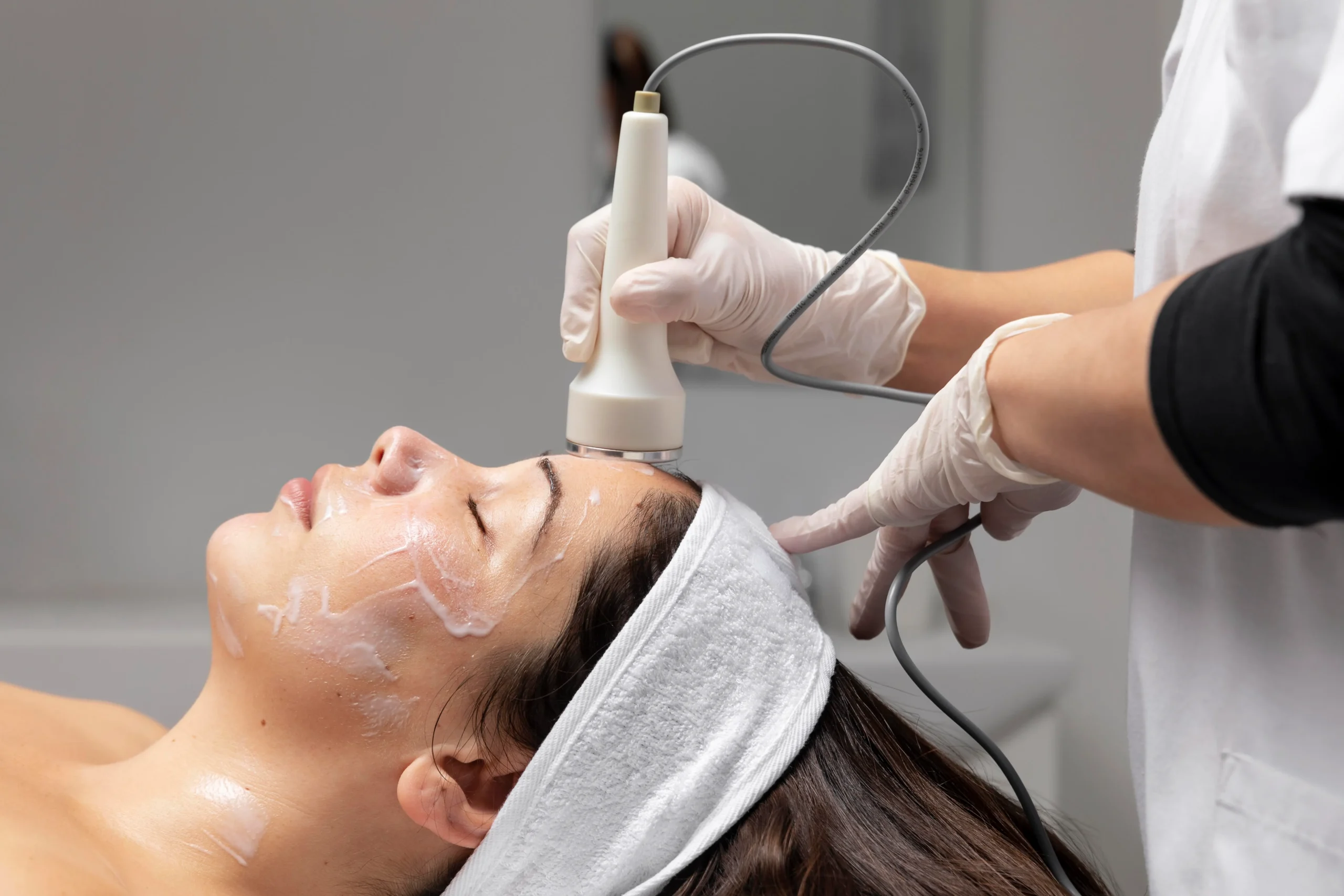
When the barrier is significantly compromised, professional treatment can meaningfully accelerate recovery. HydraFacial in Malad — which simultaneously cleanses and infuses hyaluronic acid and peptides — is one of the most appropriate clinical options for barrier-compromised skin because it delivers hydration directly without mechanical irritation.

For skin where barrier damage has been compounded by post-inflammatory marks or pigmentation, chemical peels in Malad using low-concentration lactic acid can gently resurface without further compromising the barrier — but only once the barrier has partially stabilised and only under dermatologist supervision.

If acne has developed as a secondary consequence of barrier disruption, acne treatment in Malad tailored to sensitive and barrier-compromised skin requires a different protocol than standard acne management — one that addresses the root cause rather than just the breakouts.

When to See a Dermatologist

If skin remains persistently reactive, red, or uncomfortable after 3 to 4 weeks of a simplified routine, the issue may extend beyond a straightforward barrier disruption. Underlying conditions such as eczema, perioral dermatitis, or contact dermatitis present similarly and require clinical assessment to differentiate. At My Happy Skin, Dr. Prachi Saraogi provides tailored skin assessments for sensitive skin treatment in Malad, identifying whether the concern is purely barrier-related or involves a deeper dermatological condition that needs targeted management.

To book a consultation, visit myhappyskin.in/contact-us.

Frequently Asked Questions

Q1. How long does it take to repair a damaged skin barrier?

With a simplified routine and barrier-supportive products, most people see meaningful improvement within 2 to 4 weeks. Severely compromised skin or cases with an underlying condition may take longer.

Q2. Can over-exfoliating permanently damage the skin barrier?

Chronic over-exfoliation causes cumulative damage, but the skin barrier has significant regenerative capacity. Stopping the aggravating products and supporting recovery with the right ingredients typically restores function over time.

Q3. Is a damaged skin barrier the same as sensitive skin?

Not always. Sensitivity is a skin type; a damaged barrier is a condition that can develop in any skin type. However, a damaged barrier makes skin behave sensitively, which is why the two are frequently confused.

Q4. Can I use niacinamide on a damaged skin barrier?

Yes. Niacinamide is one of the most barrier-compatible active ingredients — it supports ceramide production, reduces inflammation, and is well-tolerated even by compromised skin.

Q5. Should I stop all actives if my skin barrier is damaged?

Yes, temporarily. Retinoids, exfoliating acids, and high-concentration Vitamin C should be paused until the barrier has stabilised. Reintroduce one at a time with at least two weeks between each addition.

Q6. Does a HydraFacial help repair the skin barrier?

A HydraFacial can support barrier recovery by infusing hydrating actives like hyaluronic acid and peptides without abrasion or mechanical stress. It is one of the more appropriate clinical options for sensitive or barrier-compromised skin.

Citations

  1. Skin barrier function — structure and clinical relevance — DermNet NZ
  2. Transepidermal water loss and barrier disruption — Journal of Investigative Dermatology
  3. Ceramides and barrier repair — clinical overview — American Academy of Dermatology
  4. Over-exfoliation and skin barrier damage — Healthline
  5. Skin barrier repair — ingredient evidence review — National Library of Medicine
Retinol for Beginners: Benefits, Side Effects & Usage Guide

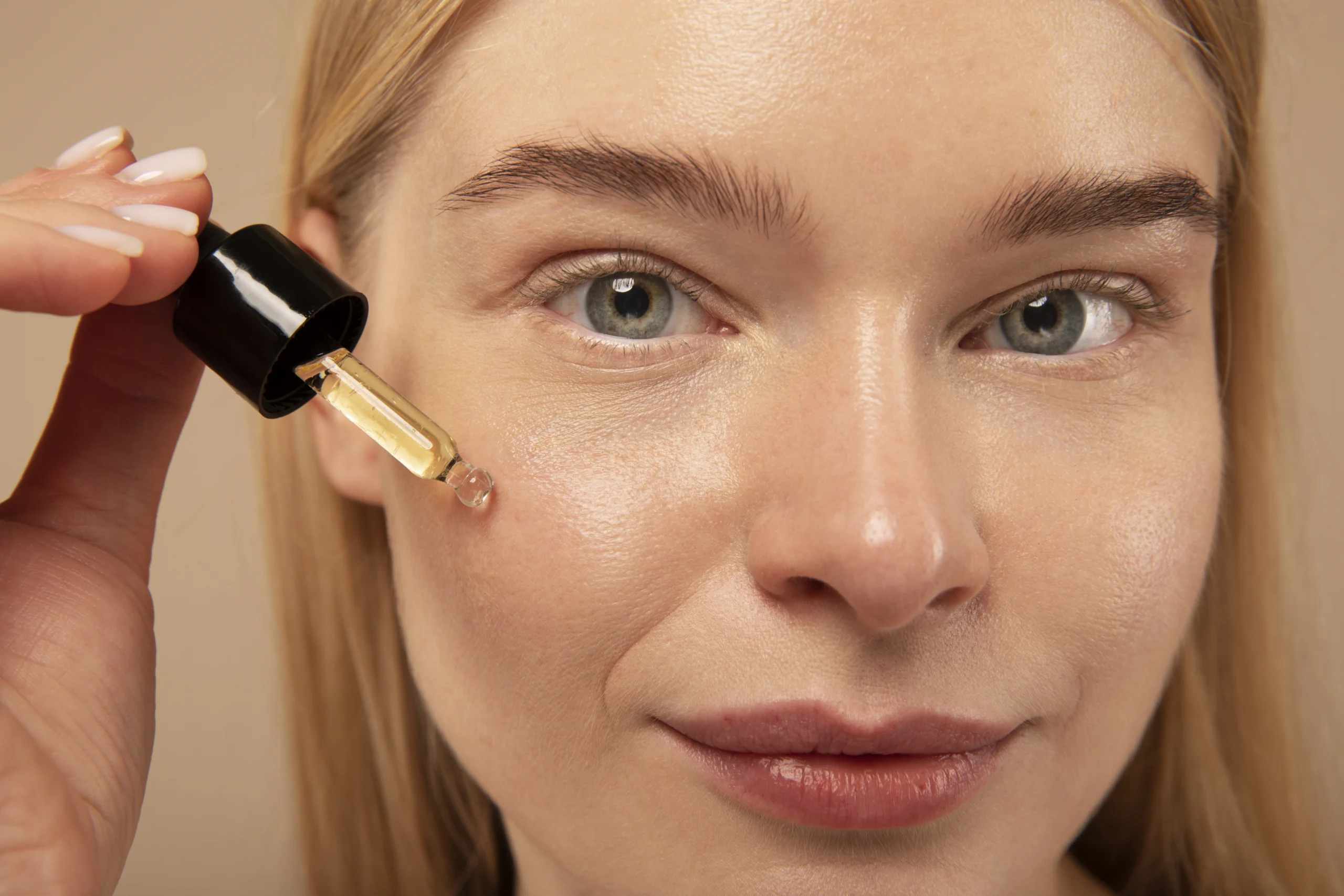
Few skincare ingredients have the research backing, clinical track record, and dermatologist consensus that retinol does. It is recommended for acne, pigmentation, fine lines, uneven texture, and enlarged pores — sometimes all at once. Yet it also has one of the highest rates of self-discontinuation, because people start incorrectly, experience irritation, and conclude it does not work for them.

If you are new to retinol, this guide covers exactly what it does, what side effects are normal versus concerning, and how to introduce it without disrupting your skin — with particular attention to how Indian skin types respond to it.

What Is Retinol and How Does It Work?

Retinol is a form of Vitamin A and belongs to a family of compounds called retinoids. When applied topically, it is converted by skin enzymes into retinoic acid — the active form that communicates directly with skin cell receptors to alter how cells behave.

At the cellular level, retinol accelerates skin cell turnover, which means old, pigmented, or damaged cells at the surface are shed faster and replaced with newer ones. It also stimulates fibroblasts to produce more collagen and elastin, thickening the deeper layers of the skin. Simultaneously, it reduces the activity of melanocytes — the cells responsible for pigment production — which makes it effective for both pigmentation and post-acne marks.

This multi-pathway action is why retinol is the only over-the-counter ingredient with robust clinical evidence for anti-aging, pigmentation correction, and acne management simultaneously.

Benefits of Retinol for Skin

Acne and Post-Acne Marks

Retinol regulates sebum production and prevents dead skin cells from clogging pores — addressing two of the primary drivers of acne. For post-acne hyperpigmentation, which is particularly common in Indian skin due to higher baseline melanin levels, accelerated cell turnover gradually brings pigmented cells to the surface and sheds them. This makes retinol especially relevant for skin of colour, where post-inflammatory marks tend to persist longer than in lighter skin tones.

Fine Lines and Skin Texture

By stimulating collagen synthesis and accelerating surface renewal, retinol progressively smooths fine lines, reduces pore visibility, and improves overall skin texture. These effects develop slowly — typically over 3 to 6 months of consistent use — but they are among the most clinically validated improvements possible with a topical ingredient.

Uneven Skin Tone and Dullness

The combination of melanocyte regulation and faster surface renewal makes retinol one of the most effective topical options for uneven skin tone and dullness — concerns that affect a significant proportion of people in Mumbai given UV exposure and pollution levels year-round.

Retinol Side Effects: What Is Normal and What Is Not

Side effects are the primary reason people abandon retinol prematurely, and most of them are the result of starting at too high a concentration or using it too frequently in the beginning.

Normal Side Effects

Dryness, mild flaking, and tightness during the first 2 to 4 weeks are a normal part of retinol acclimatisation. The skin’s rate of cell shedding has increased but its barrier has not yet adapted — this temporary adjustment period is sometimes called retinisation. Mild redness after application and some increased sensitivity to SPF or wind are also common and transient.

Purging vs Reaction

Retinol purging — a temporary increase in breakouts during the first 4 to 6 weeks — is normal and occurs because accelerated cell turnover brings microcomedones (congestion already forming beneath the surface) to the surface faster. Purging typically resolves on its own and is concentrated in areas where you already break out.

A reaction is different: persistent burning, widespread redness, swelling, or breakouts appearing in areas where you have never had them before suggest the retinol is too strong, is being applied too frequently, or is conflicting with another active in your routine. This is when use should be stopped and the skin barrier allowed to recover before trying again at a lower concentration.

Retinol and Indian Skin

Retinol for Indian skin requires an extra note on post-inflammatory hyperpigmentation. If the initial irritation phase causes inflammation — particularly in darker skin tones — that inflammation can itself trigger pigmentation, partially defeating the purpose of using retinol. Starting at a very low concentration (0.025% to 0.05%) and progressing gradually is essential for minimising this risk.

How to Use Retinol: A Step-by-Step Beginner’s Guide

Step 1 — Start Low and Slow

Begin with the lowest available concentration — 0.025% to 0.05% — applied every third night for the first two weeks. If tolerated without significant irritation, increase to every other night for the next two weeks, then nightly if tolerated. Do not rush this progression. Most people who experience problems with retinol have increased frequency or concentration too quickly.

Step 2 — Apply on Dry Skin

Apply retinol to completely dry skin — waiting at least 20 minutes after cleansing. Wet skin accelerates penetration significantly, which increases the risk of irritation for beginners. A pea-sized amount is sufficient for the entire face. More product does not mean faster results.

Step 3 — Moisturise Immediately After

Applying a barrier-supportive moisturiser containing ceramides or niacinamide immediately after retinol — sometimes called the sandwich method — buffers absorption and significantly reduces dryness and irritation without meaningfully reducing efficacy. This is a practical, well-supported approach for beginners and those with Indian skin types prone to sensitivity.

Step 4 — SPF Every Morning Without Exception

Retinol increases photosensitivity. Using retinol without daily SPF 30 or above not only reduces the ingredient’s effectiveness but actively increases the risk of UV-induced pigmentation — the opposite of what most retinol users are trying to achieve. SPF is not optional when using retinol.

Step 5 — Do Not Layer with Other Actives

Retinol should not be used on the same night as exfoliating acids (AHAs, BHAs) or high-concentration Vitamin C. These combinations significantly increase irritation risk and are one of the most common causes of barrier damage in otherwise healthy skin. If you use these ingredients, alternate nights.

When Retinol Alone Is Not Enough

Retinol is a strong maintenance ingredient but it works within the limits of what a cosmetic-grade product can achieve. For established acne scarring, deep pigmentation, or structural skin concerns, professional treatment delivers results at a depth and speed that topical retinol cannot match. Acne scar removal in Malad — using laser resurfacing or microneedling — addresses textural scarring that retinol can improve but not fully resolve.

For pigmentation that persists despite consistent retinol use, chemical peels in Malad or Q-Switch Laser in Malad can target melanin clusters at a depth beyond the reach of any topical ingredient. And for those whose skin has been sensitised by retinol overuse, HydraFacial in Malad can help restore barrier hydration before reintroducing the ingredient at a more appropriate pace.

At My Happy Skin, Dr. Prachi Saraogi provides personalised guidance on incorporating retinol correctly for your skin type and concern — including whether prescription-strength tretinoin (a more potent retinoid) may be appropriate — as part of a structured anti-aging treatment plan in Malad. Book a consultation at myhappyskin.in/contact-us.

Frequently Asked Questions

Q1. What percentage of retinol should a beginner start with?

Start with 0.025% to 0.05% — the lowest available concentration. Increase gradually over weeks only once the skin has adapted without significant irritation.

Q2. Can retinol be used on Indian skin?

Yes, but starting at a lower concentration and progressing slowly is essential for Indian skin, which is more prone to post-inflammatory hyperpigmentation if irritation occurs during the initial adjustment phase.

Q3. How long does retinol take to show results?

Reduced breakouts may be visible within 6 to 8 weeks. Improvements in texture, fine lines, and pigmentation typically develop over 3 to 6 months of consistent, correctly paced use.

Q4. Is purging from retinol normal?

Yes. A temporary increase in breakouts in the first 4 to 6 weeks is normal purging — it means congestion already present beneath the surface is being cleared faster. It resolves on its own.

Q5. Can I use retinol with niacinamide?

Yes. Niacinamide is one of the most compatible ingredients to pair with retinol — it supports the skin barrier, reduces inflammation, and helps manage the adjustment period without interfering with retinol’s efficacy.

Q6. Should I see a dermatologist before starting retinol?

It is advisable, particularly if you have active acne, melasma, or a compromised skin barrier. A dermatologist can recommend the correct concentration, flag ingredient conflicts, and determine whether prescription tretinoin would deliver better outcomes.

Citations

  1. Retinoids in dermatology — clinical evidence and use — American Academy of Dermatology
  2. Retinol mechanism and skin cell turnover — DermNet NZ
  3. Retinol side effects and how to minimise them — Healthline
  4. Retinol for skin of colour and hyperpigmentation — Journal of Clinical and Aesthetic Dermatology
  5. Retinol purging vs reaction — Verywell Health

Niacinamide vs Vitamin C: Which Serum Is Better for Your Skin?

Walk into any pharmacy or scroll through any skincare page and these two ingredients appear at the top of almost every recommendation: niacinamide and Vitamin C. Both are backed by solid research, widely available, and frequently marketed for the same concerns — brightening, pigmentation, and uneven skin tone. But they work very differently, suit different skin types, and are not always interchangeable.

If you have been unsure which one to choose — or whether you can use both — this breakdown will give you a clear, clinically grounded answer.

What Is Niacinamide?

Niacinamide is a form of Vitamin B3, a water-soluble ingredient that works across multiple pathways in the skin. It reduces the transfer of melanin (the pigment responsible for dark spots) to skin cells, which makes it effective for addressing post-acne marks, melasma, and general uneven tone. It also strengthens the skin barrier by increasing ceramide production, regulates sebum output in oily skin, and has a mild anti-inflammatory effect that makes it suitable even for sensitive skin types.

For Indian skin — which is typically more prone to post-inflammatory hyperpigmentation due to higher baseline melanin levels — niacinamide for Indian skin is particularly well-suited. It is stable, non-irritating, and can be used morning and night without sun sensitivity concerns.

What Is Vitamin C?

Vitamin C (most commonly L-ascorbic acid in serums) is a potent antioxidant that works primarily by inhibiting tyrosinase — the enzyme that triggers melanin production. It directly neutralizes free radicals from UV exposure, brightens existing dark spots, and stimulates collagen synthesis, which makes it useful for both pigmentation and early signs of aging.

The trade-off is stability and tolerance. L-ascorbic acid is notoriously unstable — it oxidizes quickly when exposed to air and light, turning the serum yellow or orange, which signals degradation. It also works best at a low pH (below 3.5), which can cause tingling or irritation, particularly for sensitive or acne-prone skin. Vitamin C serum for the face delivers the best results when used in the morning, where its antioxidant activity works alongside sunscreen to protect against UV-induced damage.

Niacinamide vs Vitamin C: The Key Differences

Mechanism of Action

Niacinamide reduces melanin transfer to surface cells after it has been produced. Vitamin C blocks melanin production at the source by inhibiting tyrosinase. Both reduce pigmentation, but through entirely different pathways — which is why combining them can be more effective than using either alone.

Skin Type Suitability

Niacinamide is suitable for all skin types — oily, dry, sensitive, and combination. It is particularly well-tolerated by acne-prone skin and does not cause purging. Vitamin C, especially at concentrations of 15% or above, can be too harsh for sensitive or compromised skin. Those new to actives are generally advised to start with niacinamide and introduce Vitamin C gradually.

Stability and Formulation

Niacinamide is highly stable across a wide pH range and tolerates heat and light reasonably well. Vitamin C is unstable and degrades rapidly — quality of formulation and packaging matters significantly. A poorly stored or expired Vitamin C serum provides no benefit and can actually irritate the skin.

Targeted Concerns

For oily skin, enlarged pores, and mild pigmentation from acne — niacinamide. For sunspot removal, brighter overall complexion, and collagen support — Vitamin C. For melasma and deeper pigmentation, both ingredients have a role, but professional-grade treatment is usually needed alongside.

Can You Use Niacinamide and Vitamin C Together?

Yes — the old concern that niacinamide and Vitamin C cancel each other out has been largely debunked by current research. The reaction between them requires temperatures and concentrations that are not present in standard skincare routines. They can be layered in the same routine, though using them at different times of day (Vitamin C in the morning, niacinamide morning or evening) is still a reasonable approach for sensitive skin to avoid any potential flushing at higher concentrations.

For those managing pigmentation concerns seriously, the combination of both actives can deliver more comprehensive results than either ingredient used in isolation.

When Serums Are Not Enough

Both niacinamide and Vitamin C are effective maintenance ingredients, but they work at a surface level and within the limits of what cosmetic-grade products can achieve. For concerns like melasma, deep post-inflammatory hyperpigmentation, or sun damage accumulated over years — topical serums will improve tone gradually but will not resolve the underlying issue.

This is where professional treatment becomes relevant. Pigmentation removal treatment in Malad — including Q-Switch laser therapy — directly targets melanin clusters at a depth that topical ingredients cannot reach. For skin that needs more than a serum, Q-Switch Laser in Malad offers a clinically proven approach to deep pigmentation removal.

Similarly, chemical peels in Malad — particularly glycolic or kojic acid peels — can accelerate the results that niacinamide and Vitamin C deliver topically, by removing the pigmented surface layer more efficiently. A HydraFacial in Malad infused with brightening serums is another option for those who want professional-grade skin brightening without downtime.

For skin with both active pigmentation and barrier sensitivity — a combination pattern common in Mumbai’s climate — determining the right serum and the right professional treatment to pair it with requires an individual assessment, not a generic recommendation.

Which One Should You Choose?

If your primary concern is oily or acne-prone skin with post-acne marks — start with niacinamide. It will regulate sebum, reduce inflammation, and fade discolouration without risk of irritation.

If your primary concern is sun damage, dull complexion, or early fine lines — Vitamin C in the morning, paired with broad-spectrum SPF, is the stronger choice.

If you have persistent or deepening pigmentation — melasma, sun spots, or stubborn post-acne marks — no serum, however well-formulated, will be sufficient on its own. A consultation with a dermatologist will give you a treatment map that combines the right topicals with clinical-grade intervention.

At My Happy Skin, Dr. Prachi Saraogi offers personalised skin assessments for pigmentation treatment in Malad East and recommends evidence-based treatment plans that align with your skin type, budget, and long-term goals. Whether you need guidance on skincare actives or are ready to explore skin brightening treatment in Malad, a consultation is the clearest starting point.

Book a consultation at myhappyskin.in/contact-us.

Frequently Asked Questions

Q1. Is niacinamide or Vitamin C better for pigmentation?

Both address pigmentation through different pathways — niacinamide reduces melanin transfer while Vitamin C blocks its production. Using both together gives more comprehensive results, though persistent pigmentation typically needs professional treatment alongside.

Q2. Can niacinamide and Vitamin C be used in the same routine?

Yes. The concern about them interacting negatively is not supported by current evidence. Using Vitamin C in the morning and niacinamide morning or evening is a practical approach, especially for sensitive skin.

Q3. Which serum is better for Indian skin?

Niacinamide is generally better tolerated as a starting point for Indian skin, which is more prone to post-inflammatory hyperpigmentation and sensitivity. Vitamin C can be introduced gradually once the skin barrier is stable.

Q4. What percentage of niacinamide is effective for skin brightening?

5% to 10% niacinamide is the clinically studied and most widely recommended range. Concentrations above 10% rarely add benefit and may increase the risk of irritation.

Q5. Do I need a dermatologist if I am just using serums?

For general maintenance and mild concerns, serums can be used independently. For melasma, deep pigmentation, or if you are unsure which actives suit your skin type, a dermatologist consultation prevents wasted time and potential skin reactions.

Q6. Can Vitamin C serum cause skin darkening?

A degraded or oxidized Vitamin C serum can cause irritation and, in some cases, worsen discolouration. Always check the serum’s colour — if it has turned deep yellow or orange, it has oxidized and should be replaced.

Citations

  1. Niacinamide — mechanism and clinical use for pigmentation — DermNet NZ
  2. Vitamin C in dermatology — evidence and formulation — Journal of Clinical and Aesthetic Dermatology
  3. Niacinamide vs Vitamin C — ingredient comparison — Healthline
  4. L-ascorbic acid stability and formulation — Paula’s Choice Research
  5. Hyperpigmentation in skin of colour — treatment overview — American Academy of Dermatology

Hydrafacial vs Regular Facial: Is It Worth It?

If you have been searching for a reliable skin treatment in Malad East, you have likely come across two options that keep appearing side by side: the classic regular facial and the increasingly popular HydraFacial. Both promise cleaner, brighter skin. But they are very different in how they work, how long results last, and what your skin actually gets from each session.

This guide breaks down the real differences so you can make an informed decision — and understand when one clearly outperforms the other.


What Is a Regular Facial?

A regular facial is a manual, salon-based treatment that typically includes steam, cleansing, exfoliation, manual extractions, a face massage, and a mask. It is relaxing, affordable, and widely available. For someone with generally healthy skin looking for basic maintenance and a quick glow, it serves its purpose.

However, a regular facial relies almost entirely on the skill of the person performing it. The depth of cleansing is limited to surface-level action. Serums and creams applied during the session sit on top of the skin rather than penetrating into the deeper layers where most skin concerns actually originate.

For residents dealing with daily exposure to pollution, humidity, and dust — a reality for most people in Mumbai — surface-level care often falls short.


What Is a HydraFacial?

A HydraFacial is a medical-grade, non-invasive skin treatment performed using a specialized device with patented vortex-fusion technology. It combines four clinical steps — cleansing, exfoliation, painless extraction, and deep hydration with antioxidant infusion — all in a single session, typically completed in 30 to 45 minutes.

Unlike a regular facial, the HydraFacial machine simultaneously removes impurities while infusing the skin with hyaluronic acid, peptides, and antioxidants. This dual action means your pores are being cleared and nourished at the same moment — something no manual technique can replicate.

At My Happy Skin, the HydraFacial is performed under dermatologist supervision, ensuring the treatment is customized to your specific skin type and concern — whether that is dullness, pigmentation, dehydration, or congested pores.


HydraFacial vs Regular Facial: Key Differences

Depth of Treatment A regular facial works at the surface. The HydraFacial penetrates deeper layers using vacuum-based suction and infusion, making it clinically more effective for conditions like blackheads, clogged pores, and dehydrated skin.


Technology vs Manual Technique Regular facials depend on manual skill. A HydraFacial uses a standardized, medical-grade device that delivers consistent, measurable results each time — regardless of operator variation.


Downtime Both treatments have zero downtime. However, manual extractions in regular facials can sometimes cause mild redness or post-extraction irritation. The HydraFacial’s vortex extraction is gentle enough that most people return to work or step out immediately after.


Results A regular facial gives a temporary freshness that fades within a few days. A HydraFacial treatment delivers visible improvement in skin texture, hydration, and clarity that lasts several days to weeks, building further with repeat sessions.


Suitability Regular facials may not be appropriate for sensitive or acne-prone skin due to steam and manual pressure. The HydraFacial is safe across all skin types — oily, dry, combination, and sensitive — making it a versatile choice for the diverse skin types seen in Mumbai’s population.


Is HydraFacial Worth the Higher Cost?

This is the most common question when people explore HydraFacial treatment in Mumbai. The short answer is yes — but with context.


If your primary goal is relaxation and basic upkeep, a regular facial at a trusted salon does the job at a lower cost. But if your skin concerns include pigmentation, recurring blackheads, dullness from pollution exposure, or dehydration, then the HydraFacial is not just a luxury — it is a more efficient use of your time and money.


Clients who invest in monthly HydraFacial sessions often find that they spend less on corrective treatments for concerns that could have been prevented. You can learn more about skin brightening treatment in Malad and related options available at My Happy Skin’s treatments page.


For those managing active acne or post-acne pigmentation, combining a HydraFacial with treatments such as chemical peels in Malad or acne treatment can provide significantly better long-term outcomes than either treatment alone.


Who Should Choose a HydraFacial?

A HydraFacial is an excellent choice if you:


  • Have dull, dehydrated skin from pollution or sun exposure
  • Struggle with blackheads or chronically clogged pores
  • Want an instant, event-ready glow with no recovery time
  • Have sensitive skin that reacts to manual extraction or harsh peels
  • Are looking for a deep cleansing facial in Malad that goes beyond surface care
  • Are preparing for a wedding or a major event (see our bridal glow treatment)


Why Choose My Happy Skin for HydraFacial in Malad East

At My Happy Skin, every HydraFacial session is performed under the guidance of Dr. Prachi Saraogi, a qualified dermatologist in Malad East with expertise in evidence-based skin treatments. This is not a salon service — it is a clinically supervised skin procedure with a protocol tailored to your individual skin assessment.

The clinic uses advanced vortex technology, maintains strict hygiene standards, and offers a transparent consultation process before every session. Whether you are a first-time patient or exploring a more comprehensive skin plan, My Happy Skin is a trusted space for glow facial treatment in Mumbai that delivers real, measurable results.

To book a consultation or learn more about HydraFacial in Malad, visit myhappyskin.in.


Frequently Asked Questions

Q1. What is the main difference between a HydraFacial and a regular facial?

A regular facial uses manual techniques and works at the skin’s surface, while a HydraFacial uses a medical-grade device to cleanse, extract, and hydrate at a deeper level with consistent, visible results.


Q2. Is a HydraFacial safe for Indian skin types?

Yes, the HydraFacial is suitable for all skin tones and types, including the oily and combination skin common in Mumbai’s humid climate.


Q3. How often should I get a HydraFacial in Malad?

Most dermatologists recommend once every three to four weeks for maintenance; those with active concerns like pigmentation or blackheads may benefit from more frequent sessions initially.


Q4. Does a HydraFacial have any downtime?

No. You can resume your daily routine immediately after the session, which is why it is often called a lunchtime treatment.


Q5. Can a HydraFacial be combined with other skin treatments?

Yes. At My Happy Skin, the HydraFacial can be combined with treatments such as chemical peels or skin polishing based on your skin goals — your dermatologist will advise the safest protocol.


Q6. Is a HydraFacial worth it compared to a regular salon facial?

For anyone dealing with dullness, clogged pores, or dehydration, yes — the HydraFacial offers deeper, longer-lasting results than a regular facial and is a clinically superior option when performed at a dermatologist-led clinic.


Citations

  1. HydraFacial treatment overview and skin type suitability — Pristyn Care
  2. HydraFacial vs regular facial comparison — Sikara Clinics Blog
  3. HydraFacial steps and procedure detail — The Aesthetica
  4. HydraFacial pricing in Mumbai — APluSkin
  5. Indian skin and HydraFacial suitability — Kapils Salon